
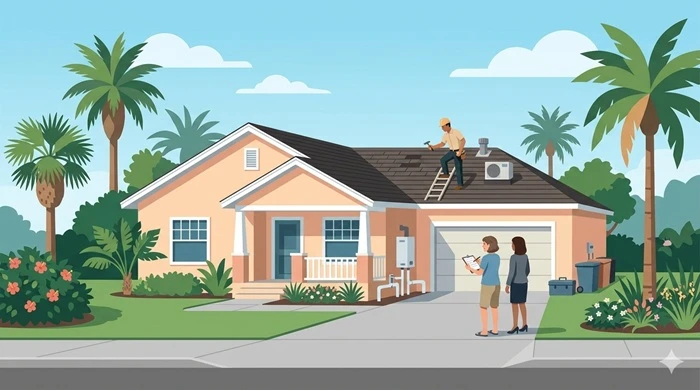
Selling a home in Florida raises an important question for homeowners: which repairs are actually necessary before putting the property on the market? From roof leaks and plumbing problems to peeling paint and air conditioning issues, knowing where to invest your money can help you avoid unnecessary expenses and attract serious buyers. Understanding home repairs before selling also helps sellers set realistic expectations, negotiate confidently, and decide whether a property should be sold in its current condition.
The good news is that not every home needs a complete renovation before it can be sold. The right approach depends on the property’s condition, local market expectations, buyer preferences, and applicable disclosure requirements.
Key Takeaways
-
Florida sellers do not automatically need to renovate every room before listing a property.
-
Roof damage, electrical hazards, plumbing leaks, and structural concerns deserve early attention.
-
Buyers should evaluate repair costs, inspection findings, and potential insurance challenges before making an offer.
-
Selling as-is can be a practical alternative when repairs are expensive, time-consuming, or unnecessary for the intended sale.
Are Repairs Required Before Selling a Home in Florida?
In most situations, Florida law does not require homeowners to complete every cosmetic or maintenance repair before selling a residential property. However, certain safety concerns, contractual obligations, financing requirements, and property conditions can affect whether repairs are necessary to complete a transaction.
Sellers must also comply with applicable disclosure obligations. Florida law generally requires sellers of residential property to disclose known facts that materially affect the property’s value and are not readily observable to the buyer, subject to applicable legal exceptions.
For sellers, the most important distinction is between repairs required by law or a signed agreement and improvements that simply make a property more attractive.
For buyers, understanding this distinction helps separate genuine safety concerns from cosmetic issues that can be addressed after closing.
7 Important Repairs to Consider Before Selling a Florida Home
Not every repair deserves the same budget. Focus first on problems that could affect safety, property condition, insurance eligibility, or a buyer’s ability to obtain financing.
1. Roof Damage and Leaks
Florida’s heavy rainfall, humidity, and hurricane exposure make roof condition an important consideration during a property sale. Missing shingles, damaged flashing, active leaks, and visible water intrusion can raise concerns during inspections.
Sellers should arrange an appropriate roof assessment when damage is suspected. Addressing an active leak can prevent further deterioration and make the property’s condition easier to explain to prospective buyers.
Buyers should review available roof inspection reports, repair invoices, permits, and relevant insurance information. Roof age alone does not determine whether replacement is necessary, but insurers and lenders may have specific requirements.
For homeowners dealing with significant damage, understanding how to sell a South Florida house with roof damage can help clarify the options available before committing to an expensive replacement.
2. Plumbing Leaks and Water Damage
Leaking pipes, faulty fixtures, damaged supply lines, and persistent moisture can cause problems beyond the plumbing system itself. Water intrusion may contribute to wood deterioration, damaged flooring, and mold growth.
Before listing, sellers should investigate active leaks and determine whether visible staining indicates an unresolved issue. Repairs should address the underlying cause rather than simply covering damaged surfaces with paint.
Buyers should ask whether the source of any previous water damage was repaired and whether supporting documentation is available.
A property with significant moisture problems may require a more detailed assessment. Homeowners can explore their options for selling a house with water damage in Florida before deciding how much work to undertake.
3. Electrical Problems and Safety Hazards
Faulty wiring, exposed conductors, damaged outlets, and improperly installed electrical components can create safety risks. These issues may also concern inspectors, insurers, and lenders.
A licensed electrician should evaluate suspected electrical hazards and recommend appropriate corrections. Sellers should avoid attempting complex electrical work without the necessary qualifications.
Buyers should pay particular attention to inspection findings involving outdated systems, unsafe installations, or evidence of overheating. An older electrical system is not automatically defective, but its actual condition matters.
Resolving significant safety concerns can reduce uncertainty and help both parties negotiate from a clearer understanding of the property.
4. HVAC and Air Conditioning Problems
Air conditioning is especially important in Florida, where hot and humid weather makes reliable cooling a major selling point.
A malfunctioning air conditioner, clogged condensate drain, refrigerant problem, or inadequate cooling can affect buyer confidence. Poor humidity control may also contribute to moisture-related concerns.
Sellers should consider servicing the system, replacing dirty filters, clearing accessible drainage lines, and addressing identified mechanical problems.
Buyers should ask about the system’s age, maintenance history, operating condition, and any available warranties. Replacing an older unit is not always necessary, particularly when it operates properly and meets applicable requirements.
5. Structural Damage and Foundation Concerns
Cracks in walls, uneven flooring, sticking doors, and visible settlement can indicate anything from ordinary movement to a more serious structural issue.
Not every crack signals a major defect. However, widening cracks, recurring movement, significant floor slopes, or signs of water intrusion deserve professional evaluation.
Sellers should obtain a qualified assessment when structural damage is suspected instead of making cosmetic repairs that could conceal an unresolved problem.
Buyers should review the findings and estimated repair costs before deciding whether to proceed. Structural concerns may influence financing, insurance, negotiations, and future maintenance expenses.
6. Windows, Doors, and Storm Protection
Florida homeowners should pay attention to damaged window seals, broken glass, deteriorated frames, malfunctioning exterior doors, and compromised weatherproofing.
Storm protection can also influence buyer interest. Depending on the property and applicable requirements, buyers may want documentation concerning impact-rated windows, shutters, or other protective features.
Sellers do not necessarily need to upgrade every window before listing. Repairing damaged components and providing accurate information about existing storm protection may be sufficient.
Buyers should verify the condition and documentation of any claimed hurricane-resistant features rather than relying solely on a listing description.
7. Minor Cosmetic Problems
Peeling paint, loose cabinet handles, damaged trim, dirty grout, and worn flooring can make a home appear less cared for than it actually is.
These issues are usually less urgent than electrical hazards, active leaks, or structural defects. Still, relatively inexpensive improvements can help photographs look better and make property viewings more appealing.
Sellers can prioritize cleaning, basic touch-ups, minor hardware repairs, and decluttering instead of investing in a complete kitchen or bathroom renovation.
Buyers, meanwhile, should distinguish cosmetic imperfections from underlying defects. A property that needs fresh paint may still be a sound purchase, provided its essential systems are in acceptable condition.
How to Prioritize Home Repairs Before Selling
A practical repair plan starts with the property’s actual condition, not assumptions about what every buyer expects.
Start With a Property Inspection
A pre-listing inspection can identify concerns before a prospective buyer raises them. It may also help sellers compare repair estimates and decide which issues deserve immediate attention.
Although an inspection is not mandatory for every sale, it can be particularly useful for older homes, properties with previous water intrusion, or houses that have experienced storm damage.
Separate Essential Repairs From Optional Upgrades
Create three categories: safety and functional problems, maintenance issues, and cosmetic improvements.
Address serious hazards and active damage first. Next, consider relatively affordable maintenance tasks. Leave expensive upgrades until there is a clear reason to believe they will improve the sale outcome.
This approach keeps spending focused and reduces the risk of paying for renovations that buyers do not value.
Compare Repair Costs With the Expected Sale Price
Request written estimates for major work and compare the total expense with the likely market value of the property in its current condition.
For example, a seller might compare the cost of roof repairs, the time needed to complete them, and the expected sale price against an as-is offer. The best choice depends on the property’s condition, available funds, market demand, and the seller’s timeline.
Homeowners considering how to sell your house fast without repairs can use this comparison to determine whether completing the work is worthwhile.
Selling As-Is Versus Making Repairs
Selling a property as-is means offering it in its present condition, subject to applicable law and the terms of the purchase agreement. It does not eliminate disclosure obligations or automatically prevent a buyer from conducting an inspection.
For some homeowners, selling home as is is a practical choice when major repairs are expensive, the property needs extensive updating, or a quick transaction is more important than maximizing the potential sale price.
A traditional listing may attract buyers who are willing to pay more for a move-in-ready property. However, it can involve contractor coordination, upfront expenses, inspection negotiations, and additional time on the market.
An as-is sale may appeal to investors or buyers prepared to handle renovation work. Such buyers will generally consider repair costs, uncertainty, holding expenses, and their expected return when calculating an offer.
Homeowners weighing fire or water damage: claim insurance or sell as-is should review their insurance policy, document the damage, and compare realistic repair and sale options before making a decision.
What Buyers Should Check Before Purchasing a Florida Home
Buyers should evaluate more than the asking price. A lower-priced property can become expensive when several major systems require immediate attention.
Important checks include:
-
Inspection findings: Review roof condition, plumbing, electrical systems, HVAC, and visible structural concerns.
-
Insurance availability: Confirm that suitable coverage is available and understand the insurer’s property-condition requirements.
-
Permits and repairs: Request available documentation for substantial renovations, roof work, and other permitted improvements.
-
Moisture history: Investigate visible stains, musty odors, and evidence of recurring leaks.
-
Total ownership costs: Include anticipated repairs, maintenance, insurance, and applicable closing expenses in the purchase budget.
A buyer may still choose a home that needs work, but the decision should reflect a realistic estimate of the total investment.
Selling a Home in Florida: Disclosure, Ownership, and Tax Considerations
Florida sellers should understand their disclosure responsibilities and the difference between disclosing a known problem and agreeing to repair it. A seller may negotiate an as-is transaction, but that arrangement does not automatically excuse nondisclosure of known material defects.
Buyers and sellers should document agreed repairs, deadlines, inspection contingencies, and other obligations in the purchase contract. Professional advice can be helpful when substantial defects, permits, or insurance claims are involved.
Homeowners should also consider taxes on selling a home in florid, including potentially applicable federal capital gains taxes. Florida does not impose an individual state income tax, but federal tax treatment depends on the seller’s circumstances, eligibility for any home-sale exclusion, and other applicable rules.
Selling home by owner can reduce certain listing expenses, but it also requires the owner to manage pricing, marketing, negotiations, disclosures, and transaction paperwork. A qualified real estate professional or attorney can help address issues beyond the seller’s experience.
How Supreme Royalty Investment Can Help Home Sellers
Supreme Royalty Investment is a real estate company that provides an option for homeowners exploring alternatives to a traditional property sale.
Homeowners who need to avoid extensive renovation work may want to learn more about the company’s approach, eligibility requirements, and purchase process before deciding how to proceed. Reviewing the details of an offer, including its terms, estimated proceeds, and closing timeline, is essential when comparing different selling options.
Visit Supreme Royalty Investment to learn more about the company and explore options to sell your house fast.
Regardless of the selling method, homeowners should compare available offers carefully and understand the costs and obligations associated with each choice.
Frequently Asked Questions
1. Are repairs legally required before selling a home in Florida?
Not generally, although applicable safety rules, contractual obligations, and other legal requirements may affect specific repairs.
2. Can I sell my Florida home with a damaged roof?
Yes, a sale may be possible, but roof condition can affect buyer interest, financing, insurance, and negotiations.
3. Do I have to fix water damage before selling?
Not always, but sellers should address applicable legal obligations and disclose known material defects as required.
4. Is it better to repair a home or sell it as-is?
The better option depends on repair costs, market conditions, expected sale proceeds, and the seller’s timeline.
5. Will buyers accept a home that needs major repairs?
Yes, some buyers purchase properties requiring substantial work, although their offers generally reflect the expected costs and risks.