
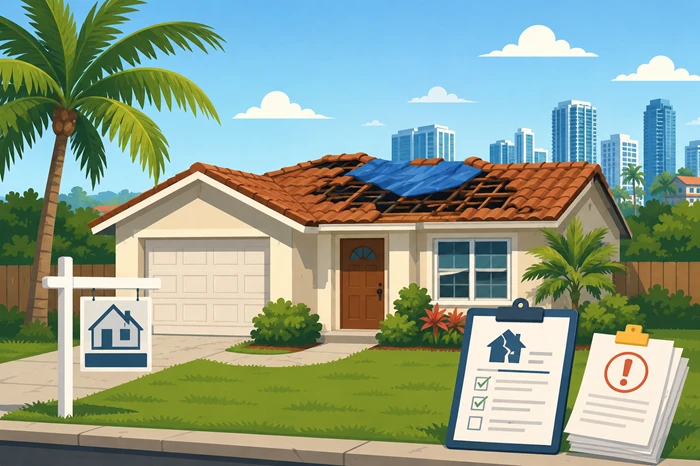
Selling a property in South Florida is rarely as simple as putting up a listing and waiting for offers. Roof issues, open permits, and local code violations can quickly complicate the process, especially when buyers, inspectors, and lenders become involved. The good news is that homeowners still have options, even when the property needs significant work.
If you are wondering whether you can sell a home with structural concerns or municipal compliance issues, the short answer is yes. However, understanding the right strategy can help you avoid delays, reduce stress, and close faster. Whether your property has storm-related wear, aging materials, or unresolved violations, knowing the local market is essential before you move forward.
In many cases, homeowners who need to sell your house fast choose alternative selling methods that avoid expensive repairs and lengthy negotiations.
Why Roof Damage Creates Challenges for Sellers
A damaged roof is one of the first issues buyers notice during inspections. In South Florida, where hurricanes, tropical storms, humidity, and heavy rain are common, roofing problems can raise serious concerns about water intrusion, mold growth, and insurance eligibility.
Many traditional buyers want move-in-ready homes. When a roof is visibly deteriorated or near the end of its lifespan, they may hesitate to make an offer or request major concessions during negotiations.
Common Roofing Problems That Affect Home Sales
Several issues can reduce buyer confidence, including:
- Missing or cracked shingles
- Active leaks
- Water stains on ceilings
- Sagging roof sections
- Mold or mildew caused by moisture
- Hurricane-related structural damage
- Aging roofs that fail insurance requirements
In some situations, lenders may refuse financing until repairs are completed. This can narrow your buyer pool and extend the time your property stays on the market.
Homeowners dealing with a severely damaged roof often discover that repair estimates alone can reach tens of thousands of dollars depending on the size and condition of the property.
Can You Legally Sell a House with Roof Problems?
Yes, Florida homeowners can legally sell a property with roofing issues. However, state disclosure laws require sellers to reveal known material defects that could affect the property’s value.
That means you cannot intentionally hide leaks, structural concerns, or past storm damage from buyers.
Disclosure Is Critical
Being upfront about roofing issues protects you legally and builds trust during negotiations. Buyers appreciate transparency, especially in a competitive real estate market.
Your disclosure may include:
- Previous roof repairs
- Insurance claims
- Active leaks
- Inspection reports
- Known structural concerns
- Permit history
A buyer may still move forward with the purchase if the price reflects the property’s condition.
How Code Violations Impact Home Sales
Code violations can be just as problematic as roof damage. In South Florida, municipalities strictly enforce property standards related to safety, maintenance, zoning, and construction permits.
Violations may involve:
- Unpermitted renovations
- Electrical issues
- Unsafe structures
- Fence or zoning violations
- Plumbing problems
- Illegal additions
- Expired permits
These issues can delay closings because buyers and lenders often want them resolved before the sale is finalized.
Some homeowners searching for solutions to sell house with code violations florida situations discover that cash buyers are often more flexible than traditional financed buyers.
Should You Repair the Roof Before Selling?
The answer depends on your financial situation, timeline, and overall property condition.
When Repairs May Make Sense
Roof repairs could be worthwhile if:
- The damage is relatively minor
- The rest of the home is in excellent condition
- You want maximum market value
- You have time for inspections and contractor work
- The local market strongly favors updated homes
A small repair may improve buyer confidence and help your property sell faster.
When Selling As-Is Is Better
Many South Florida homeowners choose to sell as-is because:
- Repairs are too expensive
- Insurance payouts are delayed
- The property already needs multiple updates
- They inherited the home
- They are facing foreclosure or financial strain
- They want to avoid contractor delays
Extensive damaged roof repair projects can sometimes cost more than the additional value they add to the final sale price.
Selling As-Is in South Florida
An as-is sale means the buyer accepts the property in its current condition. This option is increasingly popular among homeowners dealing with aging properties or deferred maintenance.
Benefits of Selling As-Is
Selling as-is may help you:
- Avoid costly repairs
- Skip contractor scheduling
- Sell faster
- Reduce holding costs
- Avoid repeated inspections
- Minimize negotiations
Many investors and cash buyers specifically look for homes needing repairs because they plan to renovate the property after purchase.
If you are still researching how to sell your house fast?, understanding the as-is process can save both time and money.
How Roof Damage Affects Insurance and Financing
Insurance availability has become a major issue throughout Florida. Older roofs often create underwriting problems for buyers trying to secure homeowners insurance.
Without insurance approval, lenders may refuse to fund the loan.
Insurance Concerns Buyers Face
Buyers may struggle with:
- High premiums
- Denied coverage
- Mandatory roof replacement requirements
- Wind mitigation concerns
- Inspection contingencies
These financing obstacles are one reason many damaged properties remain unsold for extended periods.
Understanding Buyer Expectations in South Florida
South Florida buyers are experienced with weather-related property issues, but expectations still vary based on the neighborhood and price range.
Luxury buyers often expect turnkey properties, while investors may actively seek distressed homes.
Pricing Matters More Than Perfection
A home with roof damage or code violations can still attract strong interest if priced appropriately. Overpricing a distressed property usually results in longer market time and repeated price reductions.
Smart pricing strategies account for:
- Estimated repair costs
- Comparable sales
- Neighborhood demand
- Insurance concerns
- Permit status
- Renovation potential
Properties with unresolved compliance issues may especially struggle in traditional retail markets. In fact, many reasons south florida homes struggle to sell are directly connected to repair concerns, inspection delays, and financing complications.
What Buyers Typically Request During Negotiations
Even if a buyer is interested, they may still negotiate aggressively after inspections.
Common requests include:
- Roof replacement credits
- Lower purchase price
- Escrow holdbacks
- Code violation resolution
- Permit closures
- Extended inspection periods
Preparing for these conversations ahead of time helps reduce surprises during escrow.
Can Investors Buy Homes with Major Issues?
Yes. Real estate investors frequently purchase homes with substantial repairs, including roofing failures and open code violations.
Why Investors Consider Distressed Homes
Investors often have:
- Cash available
- Contractor relationships
- Experience handling permits
- Flexible closing timelines
- Renovation budgets
Because they are not relying on traditional financing, they can sometimes close much faster than retail buyers.
This route is particularly helpful for inherited homes, storm-damaged properties, or houses that have sat vacant for long periods.
Steps to Prepare Before Listing
Even if you plan to sell as-is, basic preparation can improve your chances of getting serious offers.
Gather Important Documentation
Helpful documents include:
- Roof inspection reports
- Insurance claim paperwork
- Permit records
- Repair estimates
- Violation notices
- Utility records
Having organized paperwork builds credibility with buyers.
Clean and Declutter the Property
A clean home still creates a better impression, even when repairs are needed. Remove excess clutter, address odors, and improve curb appeal where possible.
If the interior still shows well, buyers may feel more comfortable taking on exterior repairs.
For homeowners dealing with severe structural damage after a disaster, resources about selling a fire-damaged home in South Florida can also provide insight into handling distressed property sales.
What Happens If You Ignore Violations Before Selling?
Ignoring code violations can create larger problems later.
Municipal fines may continue accumulating while the property sits unsold. Some cities can place liens against the home, making closing more complicated.
Potential Risks Include
- Increased penalties
- Title complications
- Delayed closings
- Buyer withdrawals
- Reduced offers
- Legal disputes
Addressing at least part of the issue upfront may improve your negotiating position.
Tips for Selling Faster Despite Property Issues
Homes with roofing concerns or violations can still sell efficiently when approached strategically.
Focus on Transparency
Honest communication reduces failed deals and last-minute surprises.
Price the Home Realistically
Buyers expect discounts when repairs are needed. Competitive pricing often generates stronger interest quickly.
Highlight the Property’s Potential
Even distressed homes may offer attractive locations, large lots, or renovation opportunities that appeal to investors and buyers.
Improve Presentation
Small cosmetic improvements can still make a difference. Some sellers even choose to stage your home to sell faster because presentation can influence buyer perception, even when major repairs are required.
Final Thoughts
Selling a South Florida home with roof damage or code violations may feel overwhelming, but it is absolutely possible with the right approach. The key is understanding your options, setting realistic expectations, and choosing a strategy that fits your timeline and financial goals.
Some homeowners invest in repairs before listing, while others choose an as-is sale to avoid additional costs and delays. Both paths can work depending on the property’s condition and the local market.
By staying transparent, pricing appropriately, and preparing for buyer concerns, you can still achieve a successful sale even when the property is not in perfect condition.
FAQs
Can I sell my house in Florida with an old roof?
Yes, but buyers may request repairs, credits, or lower pricing after inspections.
Do code violations stop a home sale?
Not always, though unresolved violations can delay financing and closing.
Should I repair roof leaks before listing?
Minor repairs may help, but major damage often makes as-is selling more practical.
Will cash buyers purchase homes with violations?
Yes, many investors specialize in distressed or non-compliant properties.
Can open permits affect my home value?
Yes, unresolved permits can reduce buyer confidence and lower offers.