
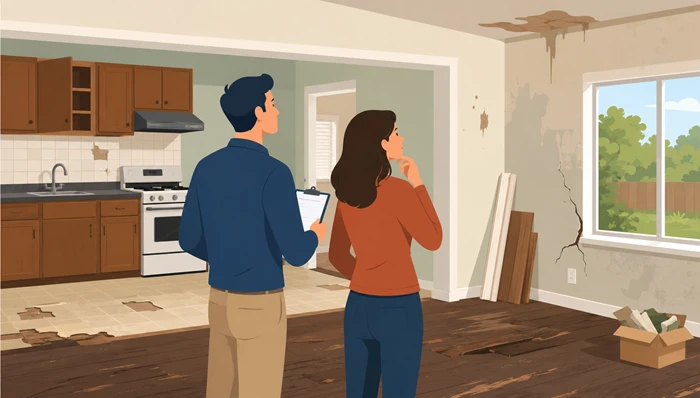
Selling a house as-is can be a practical way to move on from a property that needs work. Whether you inherited an outdated home, are dealing with deferred maintenance, or simply do not want to spend months managing repairs, the right strategy is often to focus on what truly affects the sale rather than fixing everything in sight.
That said, “as-is” does not mean you should ignore every issue. Some repairs can improve buyer confidence, while others may cost thousands without adding meaningful value. Knowing what not to fix when selling a house as-is can help you protect your budget, avoid unnecessary delays, and make a more informed decision in the Florida real estate market.
What Does Selling a House As-Is Really Mean?
When a property is sold as-is, the buyer generally understands that the home is being offered in its current condition. The seller is not promising to complete upgrades or make repairs before closing.
However, selling as-is does not mean a seller can hide known defects or ignore required disclosures. Buyers may still conduct inspections, request information, and evaluate the property’s condition before making an offer.
The goal is to understand which improvements are unnecessary and which problems could create serious legal, safety, or transaction issues.
1. Avoid Major Cosmetic Renovations
One of the biggest mistakes sellers make is spending heavily on cosmetic upgrades before listing a property.
You usually do not need to replace every outdated cabinet, install luxury flooring, or completely remodel an old kitchen simply because the home looks dated. These improvements can quickly become expensive, and you may not recover the full cost through the sale price.
Skip Expensive Kitchen Remodeling
A complete kitchen renovation can involve cabinets, countertops, appliances, plumbing, electrical work, flooring, and labor. For an as-is sale, that investment may not make sense.
A basic cleaning and removal of excessive clutter may be enough to help buyers understand the property’s potential without turning the home into a fully renovated project.
Do Not Remodel Every Bathroom
An outdated bathroom may look unattractive, but that does not automatically make it worth renovating. Buyers who purchase properties in need of work may already have their own plans for the layout, fixtures, and finishes.
Replacing a few minor items may be reasonable, but a complete bathroom renovation is often something you can avoid when the goal is a faster, simpler transaction.
2. Do Not Replace Old but Functional Appliances
Older appliances can make a home look dated, but replacing them is not always necessary.
If the refrigerator, range, dishwasher, or washing machine still works, spending several thousand dollars on new appliances may not provide enough return. Buyers interested in an as-is property may expect to update appliances themselves.
The exception is when an appliance creates a serious safety concern or is completely unusable. In those cases, the problem may affect buyer interest more significantly.
3. Avoid Replacing Flooring Throughout the Home
Worn flooring is one of the most common concerns sellers notice before listing. However, replacing every floor in the property can be a major expense.
New flooring may improve appearance, but buyers may prefer to install their own materials after closing. This is particularly true when the home needs extensive renovation.
Instead of replacing everything, consider removing obvious trip hazards and cleaning the floors thoroughly. A buyer can usually understand that cosmetic updates are part of the property’s condition.
4. Do Not Paint Every Room
A fresh coat of paint can help a home feel cleaner, but painting every room is not always a smart investment.
If the walls have ordinary wear, small marks, or outdated colors, you may not need to repaint the entire house. Large-scale painting projects can take time and money, especially when the property has more serious issues that buyers will focus on first.
When Painting May Still Be Worthwhile
There is a difference between outdated paint and a serious problem. Heavy smoke odor, extreme staining, or peeling paint may affect how buyers view the property.
In those situations, basic cleaning or targeted treatment may be more practical than repainting the entire home.
5. Avoid Fixing Every Minor Defect
Homes naturally develop small imperfections over time. Loose cabinet handles, minor scratches, small nail holes, and cosmetic wear are usually not reasons to launch a complete repair project.
Trying to fix every minor defect can create a long list of expenses without significantly changing the buyer’s decision.
A better approach is to prioritize issues that affect safety, major functionality, or the property’s ability to close successfully.
6. Do Not Make Expensive Landscaping Improvements
Curb appeal matters, but major landscaping projects are rarely necessary for an as-is sale.
You generally do not need to install new irrigation, redesign the entire yard, plant expensive landscaping, or build outdoor features simply to make the property more attractive.
Basic yard maintenance can be enough. Removing trash, cutting overgrown grass, and clearing dangerous debris may improve the property’s presentation without creating a large expense.
7. Avoid Fixing Problems That Buyers May Completely Redo
Some properties have outdated layouts, damaged finishes, or older additions that a buyer may want to remove entirely.
For example, spending money to repair an old kitchen layout may not make sense if a buyer plans to remove the kitchen and redesign the space. The same can apply to old flooring, dated bathrooms, and certain room additions.
Before spending money, ask yourself whether the repair will actually remain part of the property after the buyer takes ownership.
What Repairs Should You Consider Before an As-Is Sale?
Although many improvements can be skipped, certain problems should not be ignored.
Safety Hazards
Serious electrical hazards, exposed wiring, dangerous structural conditions, gas leaks, and other immediate safety concerns can create significant problems.
Even when you are not planning to renovate, safety should remain a priority.
Active Water Intrusion
A current roof leak or active plumbing leak may cause additional damage while the property is on the market. Addressing the source of ongoing damage can sometimes be more practical than allowing the problem to worsen.
If your property has experienced significant fire or water damage, you may want to choose between filing an insurance claim or selling your damaged South Florida home as-is based on your situation and priorities.
Major Structural Problems
You do not necessarily need to repair every structural issue before listing. However, you should understand the condition and disclose known problems appropriately.
A professional evaluation may help you determine whether a repair is necessary or whether the property can be sold in its current condition.
How Can Sellers Save Money Before Listing?
The best way to save money is to avoid treating an as-is property like a traditional renovation project.
Start by separating necessary work from optional improvements. A repair may be worth considering if it prevents further damage, addresses a safety concern, or significantly affects the transaction.
On the other hand, a cosmetic improvement may not be worthwhile if the buyer is likely to renovate the property anyway.
Some sellers also have additional complications, such as liens, probate requirements, or extreme clutter. For example, understanding can you sell a house with liens in Florida can be more important than spending money on cosmetic upgrades.
If the home has excessive clutter or difficult cleanup needs, learning how to sell a hoarder property in South Florida fast may help you explore options without completing a costly cleanup first.
When Selling As-Is May Be the Better Option
For some owners, the biggest benefit of an as-is sale is avoiding the time and uncertainty associated with repairs.
This can be especially useful when the property is vacant, inherited, heavily outdated, or difficult to manage. Instead of coordinating contractors, paying for materials, and waiting for renovations to finish, the owner can focus on finding a realistic path forward.
If the property is part of an estate, you may also need to understand the process to sell a probate property in South Florida.
When speed and simplicity matter, some property owners prefer to sell your house fast rather than spend months completing improvements that may not provide a strong return.
Final Thoughts
Knowing what not to fix when selling a house as-is can help you avoid wasting money on upgrades that buyers may never value.
Major cosmetic renovations, unnecessary appliance replacements, full flooring projects, extensive painting, and expensive landscaping are often areas where sellers can reduce their expenses. The key is to distinguish between cosmetic imperfections and issues that affect safety, disclosure, or the transaction itself.
Every property is different, so the right decision depends on its condition, location, market demand, and your timeline. In many cases, a straightforward approach can be more practical than investing heavily in a home that the next owner plans to renovate anyway.
Frequently Asked Questions
Should I repair everything before selling as-is?
No. Focus primarily on safety, active damage, and issues that could seriously affect the transaction.
Is it worth painting a house before selling as-is?
Usually not unless the walls have severe stains, odors, or damage that could significantly affect buyer interest.
Should I replace old flooring before selling?
Not necessarily. If the flooring is functional and safe, buyers may prefer to replace it themselves.
Can I sell a home with major repairs needed?
Yes, but you should understand and properly disclose known material issues as required by applicable law.
Does selling as-is mean I can hide property problems?
No. Selling as-is does not eliminate disclosure responsibilities for known material defects.