
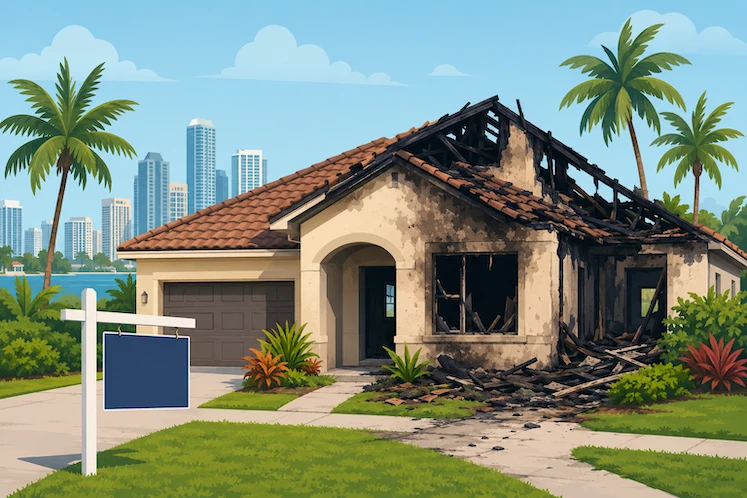
Fire damage can leave homeowners feeling overwhelmed, especially in a competitive and fast-moving South Florida real estate market. Between repair costs, insurance claims, inspections, and disclosure requirements, many sellers are unsure where to even begin.
The good news is that selling a fire-damaged home in South Florida is absolutely possible. Whether the damage is minor smoke exposure or major structural loss, homeowners still have options. Some properties sell after renovations, while others attract buyers looking for investment opportunities or as-is properties.
Understanding your choices can help you avoid delays, reduce stress, and move forward with confidence.
Understanding Fire Damage in South Florida Homes
Fire damage affects homes differently depending on the severity of the incident. Some properties only experience cosmetic smoke damage, while others suffer electrical issues, roof damage, or structural instability.
In South Florida, additional concerns often appear after the fire itself. High humidity can create mold growth inside damaged areas if repairs are delayed. This is one reason many homeowners begin exploring fast-sale options shortly after the incident.
If your home experienced water exposure from firefighting efforts, it’s also worth understanding how moisture affects resale value. Many homeowners dealing with severe moisture or mold-related concerns.
Common Types of Fire Damage
Structural Damage
Major fires may weaken walls, roofing systems, ceilings, or foundations. Structural repairs are often expensive and require permits and inspections.
Smoke and Soot Damage
Even smaller fires can leave smoke odors and soot residue throughout the property. Smoke damage often spreads far beyond the original fire location.
Water Damage After Firefighting
Water used to extinguish the fire can create secondary problems, including warped flooring, damaged drywall, and mold growth.
Electrical and Plumbing Issues
Heat exposure may damage wiring, outlets, pipes, and HVAC systems. Buyers and inspectors will usually look closely at these systems before closing.
Can You Sell a Fire-Damaged House As-Is?
Yes. In Florida, homeowners can legally sell fire-damaged properties as-is.
An as-is sale means the seller is not agreeing to complete repairs before the transaction closes. Buyers purchase the property in its current condition, fully aware of the damage.
For many homeowners, this approach eliminates months of repair work, contractor coordination, permit approvals, and additional financial strain.
Why Some Sellers Choose As-Is Sales
Repairs Can Be Extremely Expensive
Fire restoration costs in South Florida can rise quickly due to labor shortages, permitting timelines, and material pricing.
Insurance Payouts May Not Cover Everything
Some homeowners discover their insurance settlement does not fully cover restoration costs.
The Property May Sit Vacant
Vacant damaged homes can attract vandalism, squatters, or additional weather-related deterioration.
Faster Closing Timeline
As-is buyers, especially cash buyers, can often close significantly faster than traditional retail buyers.
Should You Repair the Home Before Selling?
The answer depends on several factors, including the extent of the damage, your financial situation, and current market demand.
Minor fire damage may be worth repairing if the home is in a highly desirable neighborhood. However, major structural damage often leads homeowners toward direct as-is sales.
Situations Where Repairs Might Make Sense
- Damage is mostly cosmetic
- Insurance fully covers repairs
- The property is in a luxury or high-demand area
- You have time to manage contractors and inspections
Situations Where Selling As-Is May Be Better
- Extensive structural damage
- Limited budget for repairs
- Inherited or vacant property
- Ongoing mortgage payments creating pressure
- You need to relocate quickly
South Florida homeowners dealing with inherited damaged homes sometimes face additional legal and probate complications. In those cases, understanding the process of selling probate property can help simplify the next steps.
What Buyers Look for in Fire-Damaged Homes
Not every buyer is willing to purchase a fire-damaged property, but there is still an active market for these homes in South Florida.
Investors, contractors, cash buyers, and redevelopment companies often look for distressed properties with renovation potential.
Buyers Usually Evaluate:
Severity of Damage
The extent of structural repairs heavily influences buyer interest and pricing.
Location
A fire-damaged property in Miami, Fort Lauderdale, Hollywood, or Coral Gables may still attract strong demand due to land value and neighborhood desirability.
Insurance Claim Status
Buyers may ask whether an insurance claim has already been filed or settled.
Permits and Violations
Open permits or unresolved code violations can impact negotiations.
Future Renovation Potential
Some investors focus more on lot value and redevelopment opportunities than the current structure itself.
Florida Disclosure Laws for Fire-Damaged Properties
Florida sellers are legally required to disclose known material defects that could affect property value.
Fire damage falls into this category.
Trying to hide previous fire damage can create serious legal problems after closing. Buyers may still discover past damage during inspections, permit reviews, or insurance evaluations.
What Should Be Disclosed?
You should typically disclose:
- The date of the fire
- Areas affected
- Repairs already completed
- Insurance claims
- Remaining damage or unresolved issues
Being transparent protects both the seller and buyer throughout the transaction.
Challenges of Listing a Fire-Damaged Home Traditionally
Traditional MLS listings can sometimes work for lightly damaged homes, but severely damaged properties often face challenges.
Financing Problems
Many mortgage lenders hesitate to finance homes with significant damage.
If the property does not meet minimum lending standards, buyers may struggle to secure financing.
Inspection Issues
Home inspections often uncover additional hidden problems after a fire, including electrical hazards or water damage.
Insurance Concerns
Some insurance companies may refuse coverage until repairs are completed, making financing even harder.
Longer Time on Market
Traditional buyers often prefer move-in-ready homes. Damaged properties usually stay on the market longer and attract lower offers.
Why Cash Buyers Are Common for Fire-Damaged Homes
Cash buyers play a major role in South Florida’s distressed property market.
Because they do not rely on traditional financing, cash buyers can often purchase homes with major damage that conventional buyers cannot.
Benefits of Selling to Cash Buyers
Faster Closings
Some sales close within days instead of months.
No Repair Requirements
You can usually sell the property exactly as it stands.
Fewer Delays
Cash transactions often avoid financing complications and lender requirements.
Reduced Stress
Homeowners avoid coordinating contractors, permits, inspections, and restoration projects.
Get a Free Offer for Your Fire-Damaged Home
Get a free cash offer for your home
Steps to Sell a Fire-Damaged Home Successfully
1. Document the Damage
Gather photos, insurance reports, repair estimates, and any inspection documents.
Buyers appreciate transparency and organized records.
2. Speak With Your Insurance Company
Understand your policy coverage and claim status before negotiating with buyers.
3. Decide Whether Repairs Make Financial Sense
Compare restoration costs against potential resale value.
4. Request Multiple Offers
Even distressed properties can vary widely in value depending on the buyer.
5. Work With Professionals Familiar With Distressed Sales
Experienced investors or local buyers who regularly purchase damaged properties can simplify the process.
South Florida Market Trends for Distressed Properties
South Florida continues to attract investors due to population growth, redevelopment activity, and strong long-term demand.
Even damaged properties can generate interest in cities like:
- Miami
- Fort Lauderdale
- Pembroke Pines
- Hollywood
- Coral Gables
- Hialeah
- Boca Raton
Many buyers focus on lot value, rental demand, or future appreciation potential.
This means homeowners should not automatically assume their fire-damaged property is impossible to sell.
How to Increase Buyer Interest
Even without full renovations, small improvements may help attract stronger offers.
Remove Debris
A cleaner property creates a better first impression.
Secure the Home
Boarding windows or securing entry points helps reassure buyers.
Provide Repair Estimates
Professional contractor estimates can help buyers understand renovation costs.
Be Honest About the Damage
Transparency builds trust and prevents future disputes.
FAQ About Selling Fire-Damaged Homes in South Florida
Can I sell my fire-damaged house without fixing it?
Yes. Florida homeowners can legally sell fire-damaged homes as-is without completing repairs beforehand.
Will buyers still be interested in a damaged property?
Yes. Many investors and cash buyers actively look for distressed homes throughout South Florida.
Do I need to disclose previous fire damage?
Yes. Florida law generally requires sellers to disclose known material defects, including fire damage history.
Can I sell a house with smoke damage only?
Absolutely. Even homes with minor smoke or soot damage can still be sold traditionally or as-is.
How long does it take to sell a fire-damaged home?
It depends on the selling method. Traditional listings may take months, while cash buyers may close much faster.
Will insurance affect the sale?
Insurance claims, payouts, and unresolved repairs may influence negotiations, but they do not prevent a sale.
Final Thoughts
Selling a fire-damaged home in South Florida can feel stressful, but homeowners still have multiple paths forward.
Some properties benefit from repairs and traditional listings, while others make more sense as direct as-is sales. The right approach depends on the extent of the damage, your financial goals, and how quickly you need to move on.
The most important step is understanding your options early. With the right strategy, even severely damaged homes can attract serious buyers in today’s South Florida market.