
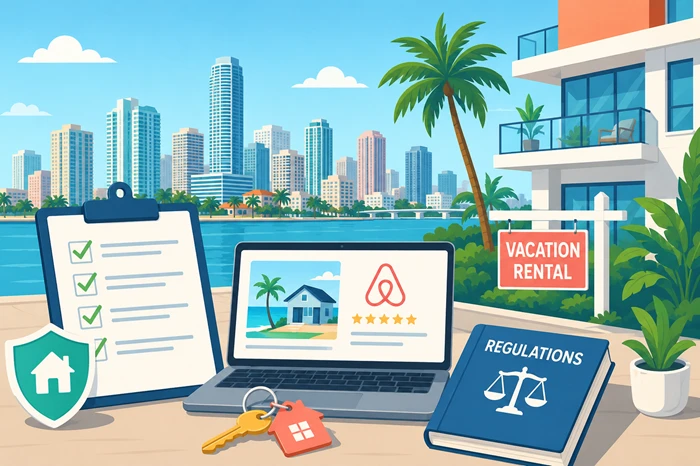
Miami’s vacation rental market is one of the most competitive and rewarding in the country. From waterfront condos to stylish downtown lofts, property owners continue to earn strong returns from short-term stays. But success in this market depends on more than great décor and attractive pricing. Understanding local laws, zoning requirements, taxes, and licensing rules is essential if you want to avoid penalties and protect your income.
Whether you’re a first-time host or an experienced investor, this guide breaks down everything you need to know about operating a legal and profitable Airbnb in Miami. You’ll learn how city regulations work, what licenses are required, and how smart property management strategies can help you stay compliant while increasing bookings.
If you’re researching reliable Miami property management companies, understanding local compliance requirements is the first step toward building a sustainable rental business.
Why Miami Has Strict Airbnb Regulations
Miami remains one of the hottest travel destinations in the United States, attracting millions of visitors every year. Because of this growth, local governments have introduced tighter rules for short-term rentals to balance tourism with neighborhood concerns.
Different municipalities across Miami-Dade County have their own rules regarding vacation rentals. Some areas welcome them, while others heavily restrict or prohibit them altogether. These laws often cover:
- Property zoning
- Licensing requirements
- Occupancy limits
- Parking regulations
- Noise ordinances
- Tax collection
Many hosts underestimate how complex these laws can become, especially when operating across multiple cities or neighborhoods.
The rise of Airbnb regulations has made legal compliance one of the most important aspects of owning a rental property in South Florida.
Understanding Miami’s Short-Term Rental Laws
Before listing a property online, owners should determine whether short-term rentals are allowed in their specific location. Regulations vary depending on the municipality, condo association, and zoning district.
What Counts as a Short-Term Rental?
In most cases, any rental lasting fewer than 30 days or one calendar month is considered a short-term rental. This applies to platforms like Airbnb and Vrbo.
Properties operating in this category typically require:
- A business tax receipt
- State vacation rental licensing
- Tourist tax registration
- Safety inspections in some jurisdictions
Failure to complete even one requirement may result in fines or listing suspension.
If you are considering a property strategy focused on tourism income, understanding how a short-term rental impacts long-term property value can help shape smarter investment decisions.
Miami-Dade County vs City-Level Regulations
One of the biggest challenges for hosts is that rules differ depending on where the property is located.
Miami-Dade County Requirements
Miami-Dade County generally requires:
- Certificate of Use
- Local business tax receipt
- Florida Department of Business and Professional Regulation license
- Tax registration for tourist development taxes
Hosts must also comply with building safety codes and emergency standards.
City-Specific Restrictions
Some cities are stricter than others.
For example:
- Certain residential neighborhoods prohibit short-term rentals entirely
- Some condo buildings ban vacation rentals through HOA policies
- Other districts allow rentals only in designated zones
This is why understanding Airbnb regulations by city is essential before purchasing or listing a property.
South Beach Airbnb Rules Explained
South Beach attracts travelers from around the world, making it one of the most desirable vacation rental locations in Florida. However, it’s also one of the most heavily regulated areas.
Operating an Airbnb Miami south beach property without proper authorization can lead to substantial fines. Miami Beach officials actively monitor illegal listings and conduct enforcement actions regularly.
Common South Beach Restrictions
Hosts should pay close attention to:
- Minimum rental duration rules
- Building occupancy restrictions
- Parking limitations
- Noise and party enforcement
- License display requirements
In some areas of Miami Beach, short-term rentals are completely prohibited in residential zones.
Understanding local zoning before investing can prevent major legal and financial headaches later.
Licenses and Permits You Need
To operate legally, hosts usually need multiple registrations and permits.
1. Florida Vacation Rental License
Issued by the Florida Department of Business and Professional Regulation (DBPR), this license is mandatory for many vacation rental operators.
2. Local Business Tax Receipt
Most cities require businesses, including vacation rentals, to obtain a local tax receipt.
3. Certificate of Use
Miami-Dade County often requires this certificate to verify zoning compliance.
4. Tourist Tax Registration
Hosts must collect and remit applicable taxes on guest stays.
Staying organized with renewals and documentation is critical for avoiding compliance issues.
Taxes Airbnb Hosts Must Pay
Taxes are one of the most overlooked parts of managing a vacation rental.
Miami hosts may need to pay:
- State sales tax
- Local tourist development tax
- Discretionary surtaxes
While Airbnb sometimes collects certain taxes automatically, hosts remain responsible for ensuring everything is properly filed.
Working with experienced accountants or professional management companies can simplify this process significantly.
HOA and Condo Association Rules Matter Too
Even if a city allows short-term rentals, your building may not.
Condo and HOA associations often create their own restrictions regarding:
- Minimum lease durations
- Guest registration
- Elevator reservations
- Noise policies
- Amenity access
Many investors discover these limitations only after purchasing a property.
Before buying any Miami property, always review the association’s governing documents carefully.
Safety Requirements for Legal Operation
Most municipalities require hosts to meet basic safety standards before renting to guests.
Common Safety Requirements Include:
- Smoke detectors
- Carbon monoxide detectors
- Fire extinguishers
- Emergency exit information
- Safe electrical systems
Some cities also require annual inspections.
Maintaining safety standards not only protects guests but also reduces liability risks for owners.
How to Stay Profitable Despite Regulations
Some investors assume regulations automatically reduce profitability. In reality, properly managed rentals can still generate strong income.
Focus on Guest Experience
Guests consistently pay more for:
- Clean properties
- Fast communication
- Prime locations
- Professional design
- Reliable amenities
Well-managed listings typically earn better reviews and higher occupancy rates.
Price Dynamically
Successful hosts adjust rates based on:
- Seasonal demand
- Local events
- Holidays
- Booking trends
This helps maximize revenue throughout the year.
Invest in Professional Management
Experienced managers understand compliance requirements, pricing strategies, and guest expectations.
Many owners partner with professionals to avoid operational stress while maintaining strong profitability.
Luxury Rentals and High-End Compliance
The market for luxury Airbnb Miami properties continues growing, especially among international travelers and extended-stay guests.
Luxury rentals often face additional operational expectations, including:
- Concierge services
- Enhanced security
- Higher insurance requirements
- Premium maintenance standards
Owners in this category should pay even closer attention to compliance because enforcement actions can significantly impact high-value properties.
Common Mistakes Miami Hosts Make
Even experienced investors sometimes overlook critical details.
Ignoring Zoning Rules
Just because neighboring properties operate rentals does not mean your property qualifies legally.
Assuming Airbnb Handles Everything
Platforms may assist with taxes and listing visibility, but legal compliance remains the owner’s responsibility.
Overlooking Insurance
Standard homeowner insurance often does not fully cover short-term rental activity.
Failing to Screen Guests
Poor guest management can result in complaints, fines, and HOA violations.
Avoiding these common mistakes helps protect both your reputation and long-term returns.
How Regulations Impact Property Sales
Vacation rental laws can directly influence resale value.
Buyers increasingly evaluate:
- Rental eligibility
- HOA restrictions
- Historical income potential
- Licensing history
Properties with established legal rental operations may attract stronger investor demand.
If you plan on eventually selling a vacation home or Airbnb in Florida, maintaining compliance records and documented income history can strengthen your property’s marketability.
Miami Rental Market Trends to Watch
The short-term rental landscape continues evolving every year.
Current trends include:
- Greater enforcement technology
- More guest verification systems
- Rising demand for extended stays
- Increased luxury travel bookings
- Stronger competition among hosts
At the same time, demand for flexible accommodations remains high across South Florida.
Many travelers now compare hotels directly against Miami rental apartments, especially when looking for longer stays or group travel options.
Understanding South Florida Compliance Changes
Florida cities continue updating vacation rental rules as tourism and housing concerns evolve.
Staying informed about local changes is essential for long-term success. Owners should regularly monitor:
- City commission updates
- HOA policy changes
- State licensing updates
- Tax regulations
Reviewing current South Florida Airbnb rules before making operational decisions can help avoid unexpected compliance issues.
Conclusion
Miami remains one of the most attractive vacation rental markets in the country, but success requires more than listing a property online. Understanding local laws, zoning requirements, taxes, HOA restrictions, and operational standards is essential for protecting your investment.
Hosts who stay proactive about compliance are better positioned to avoid penalties, improve guest experiences, and maintain long-term profitability. Whether you own one property or plan to expand a portfolio, building a legal and professionally managed rental operation creates a stronger foundation for future growth.
FAQs
Do I need a license to operate an Airbnb in Miami?
Yes, most Miami vacation rentals require state and local licensing.
Can HOAs ban Airbnb rentals?
Yes, condo and HOA associations can restrict or prohibit short-term rentals.
Does Airbnb collect taxes automatically in Miami?
Airbnb may collect some taxes, but hosts are still responsible for compliance.
Are short-term rentals legal in Miami Beach?
Some areas allow them, while others prohibit them entirely.
What happens if I violate Airbnb regulations?
Violations can lead to fines, permit issues, or listing removal.