
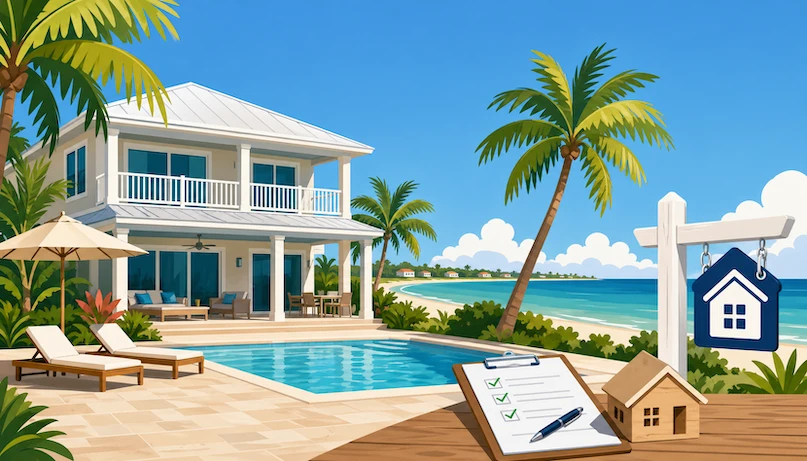
Selling a vacation home or Airbnb in Florida can be a smart move, especially if your property has strong rental history, a desirable location, or features buyers actively want. But it is not quite the same as selling a primary residence.
Florida buyers often look at vacation homes through two lenses: lifestyle and income potential. They want to know whether the property feels like a relaxing getaway, but they also care about occupancy, maintenance costs, local rental rules, insurance, and long-term value.
That means your selling strategy needs to do more than show pretty photos. It should clearly position the property as a valuable Florida real estate opportunity, whether the next owner wants a second home, short-term rental, or future retirement property.
Understand What Makes Your Property Valuable
Before you list your vacation home or Airbnb, take a step back and look at what buyers are really purchasing. They are not only buying square footage. They are buying convenience, location, income potential, and the Florida lifestyle.
A condo near the beach, a home close to theme parks, or a waterfront retreat may each attract a different buyer. The more clearly you understand your property’s best selling points, the easier it becomes to market it effectively.
If your home has already been used as a short-term rental, that can be a major advantage. Buyers may be more confident when they see a property with existing rental performance, guest reviews, and booking history.
Gather Your Rental Income Records
If your Florida vacation home has operated as an Airbnb or short-term rental, your financial records matter. Serious buyers will likely ask about annual gross revenue, occupancy rates, average nightly rates, seasonal performance, and expenses.
You do not need to make the property look perfect on paper. You need to make the numbers easy to understand. Clear records help buyers see the property as an investment rather than a guessing game.
Helpful documents may include:
- Airbnb or VRBO income statements
- Occupancy reports
- Cleaning and maintenance expenses
- Utility bills
- Property management fees
- Insurance costs
- HOA or condo fees
- Local taxes and licensing costs
Strong records can support your asking price and make negotiations smoother.
Know the Local Short-Term Rental Rules
Florida is a popular vacation rental state, but rules can vary widely by city, county, condo association, and HOA. Some areas are very friendly to short-term rentals, while others have restrictions, permits, registration rules, or minimum stay requirements.
Before selling, confirm what applies to your property. Buyers will want to know whether the home can legally continue operating as an Airbnb or vacation rental.
This is especially important if your property is in a condo building, gated community, or waterfront neighborhood. Even if local law allows short-term rentals, the HOA or condo association may have separate rules.
Being upfront about rental regulations builds trust and helps avoid delays later in the sale.
Price the Property Based on More Than Emotion
Vacation homes often carry personal memories. Maybe your family spent summers there, or maybe you put years of work into building a successful Airbnb. That emotional attachment is natural, but it should not drive your pricing strategy.
A strong price should reflect:
- Recent comparable sales
- Current Florida market conditions
- Location and demand
- Rental income potential
- Property condition
- Furnishings and upgrades
- Insurance and ownership costs
- Buyer demand in your area
Overpricing can cause your listing to sit too long, especially if buyers are comparing your property against other vacation homes with better income records or newer finishes.
If your goal is speed and certainty, you may want to get home estimate before spending money on updates, staging, or months of listing preparation.
Decide Whether to Sell Furnished
Many Florida vacation homes and Airbnbs are sold fully or partially furnished. This can be a major benefit for buyers who want a turnkey rental or ready-to-use second home.
A furnished sale may include beds, sofas, outdoor furniture, kitchenware, linens, decor, appliances, smart locks, and beach gear. For Airbnb buyers, this can save time and startup costs.
However, not every item adds value. Worn furniture, outdated decor, or mismatched pieces can make the property feel less appealing. If the furnishings support the rental experience, include them in your marketing. If not, consider removing or replacing the weakest pieces.
Make sure the sale agreement clearly explains what is included and what is excluded.
Make the Property Feel Guest-Ready
Even if the buyer does not plan to use the home as an Airbnb, a clean and guest-ready presentation matters. Vacation home buyers want to imagine themselves relaxing there immediately.
Focus on simple improvements that create a polished first impression:
- Deep clean the entire property
- Replace stained linens and towels
- Declutter closets and owner storage areas
- Touch up paint where needed
- Repair broken fixtures
- Refresh outdoor spaces
- Improve lighting
- Remove overly personal items
You do not always need a major renovation. Many buyers respond well to a clean, bright, low-maintenance property that feels easy to own.
Highlight Location Benefits Clearly
Florida vacation home buyers care deeply about location. Your listing should make the nearby attractions and lifestyle benefits easy to understand.
Mention the distance to beaches, airports, restaurants, shopping, marinas, theme parks, golf courses, downtown areas, and major highways. If your property is in a walkable area, near boat access, or close to seasonal events, include that too.
Be specific. “Minutes from the beach” is not as strong as “less than 10 minutes from the beach and local dining.” Clear details help buyers picture how the property fits their needs.
For homes near the coast, buyers may also care about docks, seawalls, flood zones, and boating access. If that applies to your property, review these details early because selling waterfront property often requires extra preparation.
Be Honest About Expenses
Vacation homes can come with higher carrying costs than primary residences. Insurance, utilities, HOA fees, cleaning, maintenance, pool care, landscaping, pest control, and repairs can add up quickly.
Do not hide these costs. Buyers will likely discover them during due diligence anyway. Instead, present them clearly so buyers can evaluate the property with confidence.
This is especially important for investors. They want to understand net income, not just gross rental revenue. If your property has strong revenue but high expenses, explain the full picture.
Transparency can actually help you sell faster because buyers feel less uncertain.
Time the Sale Strategically
Florida has seasonal buying patterns. Vacation home demand may rise when snowbirds arrive, when families plan summer travel, or when investors review rental opportunities before peak booking periods.
The best time to sell depends on your location and property type. A beach condo, Orlando-area rental, and Keys vacation home may each perform differently depending on tourism patterns and local demand.
If your Airbnb has upcoming bookings, that can be a selling point. Some buyers may like the idea of taking over future reservations, depending on platform rules and the terms of the sale.
On the other hand, too many guest stays during the selling process can make showings difficult. Plan ahead so the property remains accessible and presentable.
Use Rental Performance as a Marketing Asset
If your vacation home has a strong rental history, use it carefully and clearly. Buyers may be interested in average nightly rates, peak season income, repeat guests, and occupancy trends.
Photos of the property are important, but income potential can be just as persuasive for the right buyer. A well-performing Airbnb can attract investors looking for a property that already has proof of demand.
You can also explain what makes the rental successful. Maybe guests love the pool, beach access, walkability, parking, design, or family-friendly layout. These details help buyers understand why the property has performed well.
For more context on this angle, short term rentals can influence buyer interest when the home is positioned correctly.
Prepare for Buyer Due Diligence
Vacation home buyers tend to ask detailed questions. They may want to review rental rules, permits, tax records, insurance policies, HOA documents, repair history, and income reports.
Getting organized before listing can prevent delays later.
You may want to prepare:
- HOA documents
- Rental permits or registrations
- Utility averages
- Insurance information
- Recent repair receipts
- Appliance warranties
- Property management agreements
- Cleaning contracts
- Pest control records
- Guest revenue reports
The easier you make the review process, the more confident buyers may feel moving forward.
Consider Whether a Traditional Listing Is the Best Fit
A traditional listing can work well for some Florida vacation homes, especially if the property is updated, priced competitively, and located in a high-demand area.
However, it is not always the simplest route. Listing can involve showings, repairs, staging, commissions, inspections, appraisal issues, and uncertain timelines.
If your vacation home needs work, has inconsistent rental income, faces HOA restrictions, or you simply want a faster sale, another option may be worth considering.
Some sellers compare traditional listing, FSBO, and direct buyer options before deciding. Understanding the difference between realtor or fsbo can help you choose the path that fits your goals.
Think About Tax Implications Early
Selling a vacation home or Airbnb may create tax consequences. Unlike a primary residence, a vacation property may not qualify for the same capital gains exclusions.
If the property has been used as a rental, depreciation recapture may also come into play. This can affect your net proceeds, especially if the home has appreciated or produced income for several years.
Speak with a qualified tax professional before selling. A short conversation can help you avoid surprises and plan your next move more confidently.
Address Insurance and Storm-Related Concerns
Florida buyers often ask about insurance, flood zones, hurricane protection, roof age, windows, and storm history. These factors can affect affordability and buyer confidence.
If your property has a newer roof, impact windows, shutters, elevated construction, or updated systems, highlight those features. They may help the home stand out.
If there have been past storm repairs, be prepared to provide documentation. Buyers appreciate clarity, especially in coastal and high-risk areas.
Make Your Photos and Listing Copy Work Harder
Vacation homes are highly visual. Strong photography can make a major difference, especially when buyers are browsing from out of state.
Your photos should showcase:
- Exterior curb appeal
- Outdoor living areas
- Pool, balcony, patio, or deck
- Bedrooms and bathrooms
- Kitchen and dining space
- Views or nearby scenery
- Guest-friendly amenities
- Parking and entry access
Your listing copy should not just describe rooms. It should explain the experience of owning the property.
For example, instead of saying “3-bedroom home with pool,” say something like, “A low-maintenance Florida vacation home with a private pool, flexible sleeping space, and easy access to local attractions.”
That kind of wording helps buyers understand the value quickly.
Avoid Overpromising Future Income
It can be tempting to promote your property with big rental income projections. Be careful. Buyers may become skeptical if numbers seem unrealistic or unsupported.
Use actual income records when available. If you include projections, make sure they are clearly labeled and based on reasonable assumptions.
A confident, transparent approach is better than an exaggerated one. Buyers are more likely to trust a seller who provides realistic information.
Plan for Guests During the Selling Process
If your Airbnb is still active, decide how you will handle bookings while selling. You may choose to block off certain dates for showings, inspections, appraisals, and closing preparation.
Make sure guests do not interfere with the buyer experience. A messy guest stay, unavailable showing window, or last-minute cancellation can create unnecessary stress.
If you work with a property manager, coordinate expectations early. They may need to help with access, cleaning, scheduling, and guest communication.
Know Your Ideal Buyer
Not every buyer wants the same thing. Your Florida vacation home may appeal to:
- Investors looking for rental income
- Families wanting a second home
- Retirees planning future relocation
- Out-of-state buyers seeking warm-weather property
- Cash buyers looking for a faster transaction
- Local buyers wanting a weekend getaway
Once you know the most likely buyer, your marketing becomes sharper. A property with strong Airbnb revenue should speak to investors. A quiet beach condo may appeal more to lifestyle buyers.
The clearer your positioning, the easier it is to attract serious interest.
Conclusion
Selling a vacation home or Airbnb in Florida is all about preparation, positioning, and transparency. Buyers want to understand the property’s lifestyle appeal, income potential, costs, rules, and long-term value.
When you organize your records, price the property realistically, highlight the right features, and choose the best selling strategy, you give yourself a stronger chance of a smooth and profitable sale.
Whether your goal is to cash out, reduce responsibilities, move into another investment, or sell quickly without the hassle of a traditional listing, the right plan can help you move forward with confidence.
FAQ
Is it hard to sell an Airbnb in Florida?
It depends on the property’s location, condition, rental history, and local regulations. A well-maintained Airbnb with strong income records and clear rental rules can be attractive to investors and second-home buyers.
Should I sell my Florida vacation home furnished?
Selling furnished can be a good idea if the furniture supports a turnkey rental or vacation-home experience. Buyers may value the convenience, especially if they want to start using or renting the property right away.
What documents should I prepare before selling?
Prepare rental income reports, expense records, HOA documents, insurance details, utility averages, repair receipts, permits, and any property management agreements. These can make buyer due diligence easier.
Can I sell my Airbnb with future bookings?
In some cases, yes, but platform rules and buyer preferences matter. Future bookings can be attractive to investors, but you should discuss how reservations will be handled before closing.
What is the best way to price a Florida vacation home?
Pricing should consider comparable sales, location, property condition, rental income, seasonal demand, ownership costs, and buyer demand. Avoid pricing based only on emotional value or future income hopes.
Do I need a realtor to sell my vacation home?
Not always. Some sellers use a realtor, some sell by owner, and others work with direct buyers. The best option depends on your timeline, property condition, financial goals, and how much work you want to handle.