
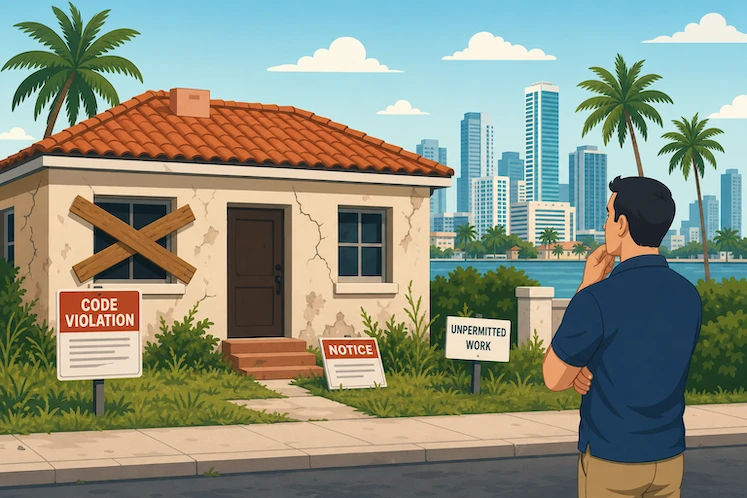
Selling a house with code violations in Miami can feel stressful, especially when you are already dealing with repairs, fines, liens, unsafe conditions, or notices from the city or county.
The good news is that code violations do not automatically stop you from selling your property. In many cases, Miami homeowners can still sell a house as-is, avoid major repair costs, and move forward without waiting months for permits, inspections, or contractor schedules.
Can You Sell a House With Code Violations in Miami?
Yes, you can sell a house with code violations in Miami. The key is understanding what those violations are, how they affect the sale, and what type of buyer is willing to take on the property.
Traditional buyers often want homes that are clean, updated, and move-in ready. Lenders may also hesitate if the home has serious safety issues, open permits, or unresolved municipal problems.
That does not mean you are stuck. It simply means the selling strategy matters.
If the home needs repairs or has unresolved issues, you may have more success working with a buyer who understands distressed properties and can purchase the home as-is.
Common Code Violations in Miami Homes
Code violations can happen for many reasons. Some are minor, while others can make a traditional sale more difficult.
Unpermitted Work
This is one of the most common issues in Miami. A previous owner may have added a bathroom, enclosed a garage, installed electrical work, changed plumbing, or built an addition without proper permits.
Even if you did not do the work yourself, the violation can still affect your sale.
Unsafe Electrical or Plumbing Issues
Older Miami homes may have outdated wiring, plumbing leaks, improper installations, or work that does not meet current code.
These issues can scare off buyers who plan to use financing because lenders and insurers may require repairs before closing.
Roof, Structural, or Exterior Problems
Damaged roofs, illegal additions, broken windows, unsafe balconies, deteriorated fencing, and structural concerns can all trigger code enforcement problems.
In South Florida, weather exposure and storm damage can make these issues worse over time.
Overgrown Lots and Property Maintenance Issues
Code violations are not always about major construction. Sometimes they involve landscaping, trash, abandoned vehicles, unsafe pools, peeling paint, or neglected exterior conditions.
These may seem small, but fines can grow if they are ignored.
Why Code Violations Make a Traditional Sale Harder
Selling through the traditional market can work, but code violations often create roadblocks.
Buyers may ask for large repair credits. Realtors may recommend fixing issues before listing. Inspectors may uncover more problems. Lenders may delay or deny financing. The city may require certain violations to be cleared before the transaction can close.
Even when a buyer is interested, the process can become slow and uncertain.
That is why many homeowners compare their options early instead of spending money they may not recover. If you are already researching for selling house for cash , it may be because speed and simplicity matter more than squeezing every possible dollar from a complicated listing.
Do You Have to Fix Code Violations Before Selling?
Not always.
You can choose to fix the violations before selling, but you are not always required to do so. In many cases, you can disclose the issues and sell the property as-is to a buyer willing to accept responsibility after closing.
That said, every property is different. Some violations may involve fines, liens, unsafe conditions, or city requirements that need to be handled carefully.
Before spending money on repairs, it helps to compare the cost of fixing the home against the value of selling as-is.
The Cost of Fixing Code Violations
Fixing code violations in Miami can become expensive quickly.
You may need licensed contractors, permit applications, architectural plans, inspections, fines, lien negotiations, demolition work, or corrective construction. Even simple repairs can become complicated if the city requires everything to be brought up to current standards.
There is also the issue of time.
Permits can take weeks or longer. Contractors may be booked out. Inspections may require multiple visits. If repairs reveal more problems, your budget can grow beyond what you expected.
For homeowners facing foreclosure, relocation, inherited property issues, divorce, probate, or financial pressure, waiting may not be realistic.
Selling As-Is Can Be a Practical Solution
Selling as-is means the buyer understands the property is being sold in its current condition. You are not agreeing to make repairs before closing unless you choose to.
This can be helpful when the house has open violations, deferred maintenance, unpermitted work, or costly repairs.
An as-is sale can reduce uncertainty because you avoid preparing the home for showings, negotiating repair requests, and managing contractor work.
It also gives you a cleaner path forward when the property has become more of a burden than an asset.
What Buyers Need to Know About the Violations
When selling a property with code violations, disclosure matters.
You should be honest about known issues, notices, fines, liens, open permits, unsafe conditions, or prior work done without approval. Clear communication helps prevent delays and protects everyone involved.
A serious buyer will review the condition of the property, research any municipal issues, and decide whether they can take on the risk.
This is one reason cash buyers are often a better fit. They are typically more comfortable evaluating properties that traditional buyers avoid.
Cash Buyers vs. Traditional Buyers
Traditional buyers usually want a home they can move into quickly. They may also depend on a mortgage, appraisal, inspection approval, and insurance underwriting.
Code violations can create problems at every step.
Cash buyers operate differently. They do not rely on traditional lender approval, and they often buy homes that need repairs, cleanup, or legal coordination.
That does not mean every cash offer is the right offer. You still want a buyer who communicates clearly, explains the process, and understands local property issues.
If you are trying to avoid commissions and delays, learning how owners sell without a realtor can help you understand why direct sales are often appealing for distressed properties.
How the Selling Process Usually Works
Selling a Miami home with code violations does not need to be complicated.
First, the buyer reviews the property and gathers basic details about the home’s condition. This may include photos, a walkthrough, or information about notices and repairs.
Next, the buyer evaluates the property as-is. Instead of asking you to fix everything first, they factor the repairs and risks into the offer.
If you accept, the closing process begins. Depending on the situation, the title company may review liens, fines, open permits, and any other items tied to the property.
A strong buyer will help keep the process organized so you are not left guessing.
What If There Are Fines or Liens?
Fines and liens can complicate a sale, but they do not always prevent one.
Some liens may need to be paid at closing. In other cases, they may be negotiated or addressed as part of the transaction. The exact path depends on the property, the municipality, and the details attached to the violation.
This is another reason experience matters. A buyer who regularly works with distressed homes is more likely to understand how these issues affect closing.
Trying to navigate fines alone can be frustrating, especially if you are unfamiliar with city or county procedures.
Should You List the Home on the Market?
You can list a home with code violations, but it may not be the best move for every seller.
Listing may make sense if the violations are minor, the home is otherwise desirable, and you have time to wait for the right buyer.
However, if the property has serious repair needs, open violations, unsafe conditions, or expensive liens, the traditional market may expose you to months of uncertainty.
You may also need to clean the home, allow showings, negotiate inspection repairs, and possibly reduce the price after buyers discover the full condition.
For some homeowners, the emotional and financial cost of listing is not worth it.
Timing Matters in South Florida
Miami’s real estate market can shift based on season, buyer demand, interest rates, insurance costs, and local inventory.
Even a well-maintained home can take time to sell if market conditions are less favorable. A home with code violations may require an even more strategic approach.
If you are comparing timing options, understanding the best selling months in South Florida can help you decide whether waiting makes sense or whether selling now is the better choice.
For homeowners dealing with active violations, waiting can also mean more fines, more maintenance, and more stress.
When Selling As-Is Makes the Most Sense
Selling as-is may be the right choice if you do not have the money for repairs, do not want to manage contractors, need to relocate, inherited a problem property, or want to avoid a long listing process.
It can also make sense when the home has multiple violations and you are unsure where to start.
Instead of putting more money into a property you no longer want, you can sell it in its current condition and move on.
That option can be especially helpful when the home has become difficult to maintain or when family members disagree about what to do next.
How to Prepare Before Requesting an Offer
You do not need to make repairs before asking for an offer, but gathering basic information can help.
Try to collect any notices from the city or county, photos of the property, details about known unpermitted work, mortgage or lien information, and your preferred closing timeline.
Even if you do not have everything, you can still start the conversation.
A good buyer will help identify what is needed and explain the next steps in plain language.
Avoiding Common Mistakes
One common mistake is spending money on repairs without knowing whether they will increase the sale price enough to justify the cost.
Another mistake is hiding violations from potential buyers. That can lead to delays, canceled contracts, or legal headaches.
Some homeowners also wait too long because they hope the situation will improve on its own. Unfortunately, code issues often become more expensive when ignored.
The better approach is to understand your options early and choose the path that fits your timeline, budget, and goals.
Get a Clear As-Is Offer
If you want to sell a Miami home with code violations, you do not have to handle everything alone.
You can request a straightforward as-is offer, compare it against the cost of repairs, and decide what makes the most sense.
For many homeowners, the right solution is not fixing every issue before selling. It is finding a buyer who can take the property as it stands and help create a smoother closing.
When you are ready to see what your home may be worth in its current condition, you can get cash estimate and decide your next move with more clarity.
FAQ
Can I sell my Miami house if it has open code violations?
Yes. Many homes with open code violations can still be sold, especially to cash buyers who purchase properties as-is. The details of the violations, fines, liens, and title issues will affect how the sale is handled.
Do I need to repair unpermitted work before selling?
Not always. Some sellers choose to correct unpermitted work before listing, but others sell as-is to a buyer willing to take on the issue after closing.
Will code violations lower my home’s value?
Usually, yes. Buyers factor in repair costs, risk, time, and possible municipal issues. However, selling as-is can still be worthwhile if it helps you avoid major repair expenses and delays.
Can a buyer take over code violations after closing?
In some cases, yes. The ability to transfer responsibility depends on the nature of the violation, local rules, and how the transaction is structured.
What if my house has liens from code enforcement?
Liens may need to be resolved before or during closing. A cash buyer familiar with distressed properties can often help you understand how those liens may affect the sale.
Is a cash sale faster than listing with a realtor?
Often, yes. A cash sale can avoid lender delays, repair negotiations, showings, and appraisal issues. This can be especially helpful when the property has violations or needs significant work.
Should I get an estimate before fixing the violations?
Yes. Getting an as-is estimate first can help you decide whether repairs are worth the time, money, and stress.
Conclusion
Selling a home with code violations in Miami may feel overwhelming, but it is not a dead end. You still have options, even if the property has open permits, fines, liens, unsafe conditions, or unpermitted work.
The best path depends on your timeline, your budget, and how much effort you want to put into the property before selling.
If repairs are too expensive or the traditional market feels too slow, an as-is cash sale can give you a simpler way forward.