
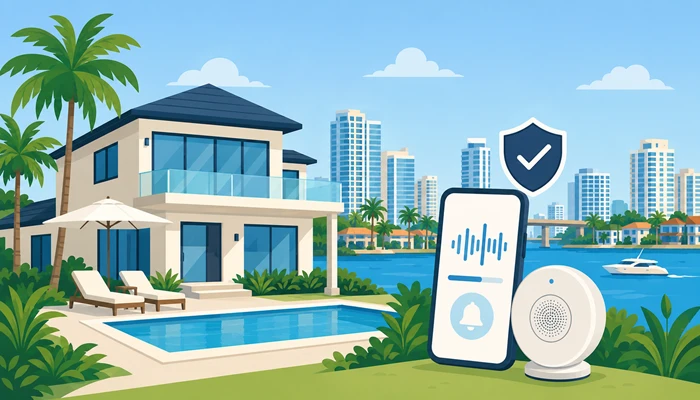
Fort Lauderdale has become one of Florida’s most popular vacation destinations, attracting travelers looking for beaches, waterfront homes, and year-round sunshine. For property owners, this creates exciting opportunities in the short-term rental market. However, operating a vacation rental successfully isn’t just about listing your property online. Understanding Fort Lauderdale short-term rental registration and noise sensor rules is essential for staying compliant and protecting your investment.
Whether you’re preparing your first vacation rental or managing multiple properties, knowing the local regulations can help you avoid costly fines, neighborhood complaints, and unnecessary disruptions. This guide explains everything you need to know in simple terms so you can confidently operate your rental while providing an excellent guest experience.
Why Fort Lauderdale Regulates Short-Term Rentals
Like many popular tourist destinations, Fort Lauderdale balances tourism with the quality of life for permanent residents. As vacation rentals have grown in popularity, the city has introduced regulations designed to reduce disturbances while allowing responsible property owners to continue hosting guests.
The primary goals of these regulations include:
- Maintaining peaceful residential neighborhoods
- Improving guest safety
- Reducing excessive noise
- Encouraging responsible property management
- Ensuring vacation rentals meet local standards
Understanding these rules before listing your property helps prevent violations and builds trust with both guests and neighbors.
What Is the LauderBuild Registration Process?
One of the most important requirements for operating a short-term rental in Fort Lauderdale is registering your property through the city’s LauderBuild system.
LauderBuild is the online permitting and registration platform used by the City of Fort Lauderdale. Property owners use it to submit applications, upload required documentation, and manage permits for their vacation rentals.
Registration demonstrates that your property complies with city regulations and allows officials to verify that vacation rentals operate legally.
Depending on your property and ownership structure, registration may require documentation such as:
- Property ownership information
- Local contact information
- Business tax documentation
- Safety compliance forms
- Emergency contact details
Completing registration before accepting guests helps avoid penalties and interruptions to your rental business.
Why Registration Matters
Some owners assume they can begin renting immediately after creating an online listing. However, operating without proper registration can expose you to enforcement actions.
Proper registration offers several advantages:
Avoid Fines
Operating without the required registration may result in financial penalties and enforcement actions.
Build Guest Confidence
Travelers increasingly prefer professionally managed vacation rentals that follow local regulations.
Protect Your Investment
Keeping your rental compliant helps reduce legal risks while preserving long-term profitability.
Understanding Fort Lauderdale Noise Sensor Rules
Noise complaints remain one of the most common issues associated with vacation rentals. To address this, Fort Lauderdale requires many short-term rental operators to monitor excessive noise levels.
Noise sensors are designed to help property owners identify potential disturbances before neighbors file complaints.
Importantly, these devices do not record conversations.
Instead, they measure sound levels using decibel readings and notify owners or property managers when noise exceeds acceptable limits.
This proactive approach allows owners to contact guests before a situation escalates.
How Noise Monitoring Devices Work
Modern noise monitoring systems are simple but highly effective.
Typical features include:
- Real-time decibel monitoring
- Mobile alerts
- Historical sound reports
- Remote property management
- Privacy-friendly operation without audio recording
Most systems notify property managers whenever noise exceeds a preset threshold for a certain period.
This allows quick communication with guests while helping maintain good relationships with neighboring residents.
Benefits of Installing Noise Sensors
Although some owners initially view noise monitoring as another regulatory requirement, these devices offer several practical benefits.
Reduce Neighborhood Complaints
Early alerts allow managers to resolve problems before neighbors contact city officials.
Prevent Unauthorized Parties
Unexpected gatherings often produce unusually high sound levels.
Receiving immediate notifications helps owners intervene quickly.
Protect Property Reputation
Vacation rentals with fewer complaints generally maintain stronger reviews and better relationships with surrounding communities.
Improve Long-Term Business Success
Responsible management encourages repeat guests while reducing enforcement risks.
Best Practices for Staying Compliant
Following local regulations becomes much easier when you establish clear operating procedures.
Create Clear House Rules
Guests should understand expectations before arrival.
Include rules covering:
- Quiet hours
- Maximum occupancy
- Parking
- Outdoor gatherings
- Trash disposal
Providing this information in advance minimizes misunderstandings.
Screen Reservations Carefully
Accepting every booking without review increases the likelihood of issues.
Many experienced hosts verify guest identities, review previous ratings, and communicate expectations before confirming reservations.
Respond Quickly to Alerts
Noise monitoring systems are only effective if someone responds promptly.
Whether you manage the property personally or hire a professional company, establish procedures for addressing alerts immediately.
Maintain Open Communication
Friendly communication often resolves concerns before they become complaints.
Guests generally appreciate polite reminders regarding neighborhood expectations.
Additional Compliance Considerations
Noise monitoring represents only one aspect of responsible vacation rental management.
Owners should also stay informed about:
- Occupancy limits
- Parking regulations
- Waste management
- Property maintenance
- Emergency contact requirements
Local regulations can change over time, making periodic reviews essential.
Property owners operating throughout South Florida may also benefit from understanding Miami Airbnb rules, especially if they manage rentals across multiple cities.
Safety Requirements Remain a Priority
Guest safety should always come before profitability.
Owners with homes featuring swimming pools should pay close attention to Florida pool safety requirements for vacation rentals to ensure their properties meet important legal and safety standards.
Maintaining a safe property not only protects guests but also reduces liability risks.
Improving the Guest Experience While Following the Rules
Regulatory compliance doesn’t mean sacrificing guest satisfaction.
Successfully operating a short-term rental often requires more than simply following local regulations. Consistent communication, prompt maintenance, guest support, and compliance monitoring all contribute to positive reviews and repeat bookings. Many property owners choose professional vacation rental management services to handle these responsibilities efficiently while ensuring their properties remain compliant with local requirements and deliver an exceptional guest experience.
In fact, many of the best-managed vacation rentals combine excellent hospitality with responsible management.
Simple improvements include:
Provide Detailed Welcome Information
Guests appreciate clear instructions covering:
- Wi-Fi access
- Parking
- Check-in procedures
- Emergency contacts
- House rules
- Local recommendations
Better communication often leads to higher review scores.
Invest in Quality Amenities
Today’s travelers expect more than just a place to sleep.
Properties offering the top luxury vacation rental features South Florida often enjoy stronger occupancy rates and better guest satisfaction while remaining fully compliant with local regulations.
Consider Longer Stays
Many owners diversify their booking strategy by accepting extended reservations alongside traditional vacation stays.
Offering monthly Airbnb stays in South Florida can reduce guest turnover, minimize noise concerns, and create more consistent rental income.
Common Mistakes Property Owners Should Avoid
Even experienced hosts occasionally overlook important compliance requirements.
Some of the most common mistakes include:
Skipping Registration
Never assume listing platforms automatically verify local compliance.
Registration remains the owner’s responsibility.
Ignoring Noise Alerts
Failing to respond promptly increases the likelihood of neighbor complaints and possible city enforcement.
Allowing Overcrowding
Exceeding occupancy limits often leads to parking problems, excessive noise, and unhappy neighbors.
Poor Guest Communication
Many issues arise simply because guests never received clear instructions.
Forgetting Routine Updates
Local regulations evolve over time.
Reviewing city requirements annually helps maintain compliance.
Final Thoughts
Fort Lauderdale continues to be one of Florida’s strongest vacation rental markets, but success depends on more than attracting bookings. Understanding the LauderBuild registration process and following local noise sensor rules helps property owners operate responsibly while protecting both their investment and their community.
By completing registration, installing appropriate noise monitoring, communicating expectations clearly, and staying informed about local regulations, you can create a vacation rental business that remains profitable, compliant, and highly rated by guests.
Responsible hosting benefits everyone—from property owners and travelers to neighbors and the city itself.
Frequently Asked Questions
1. Is LauderBuild registration required for Fort Lauderdale short-term rentals?
Yes, eligible vacation rentals must complete the required city registration before operating.
2. Do noise sensors record guest conversations?
No, they only monitor sound levels and do not record audio.
3. Why does Fort Lauderdale require noise monitoring?
It helps reduce neighborhood disturbances and encourages responsible property management.
4. Can I operate a vacation rental without registering?
Operating without required registration may result in fines or enforcement action.
5. Are noise alerts sent in real time?
Yes, most modern noise monitoring systems notify owners or managers when sound exceeds preset limits.