
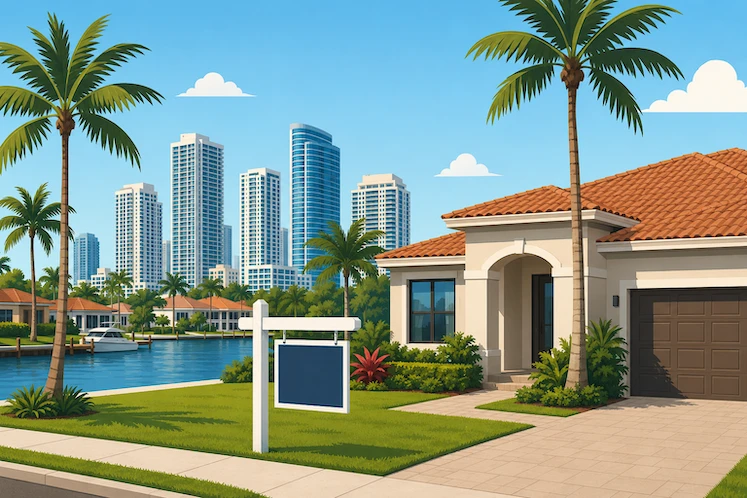
South Florida real estate remains one of the most active housing markets in the country, but not every property sells quickly. While some homes receive multiple offers within days, others stay listed for weeks or even months without attracting serious buyers.
Many homeowners assume the market alone determines how fast a property sells. In reality, pricing strategy, presentation, location, timing, insurance concerns, and buyer expectations all play a major role. In competitive cities across Miami-Dade, Broward, Palm Beach, and nearby coastal communities, buyers have become far more selective than they were a few years ago.
If your property has been sitting on the market longer than expected — or if you’re preparing to sell — understanding the common reasons behind slow-moving listings can help you avoid costly delays.
The South Florida Market Has Become More Competitive
South Florida continues to attract buyers from across the country, especially from states with colder climates and higher taxes. However, increased inventory in some areas has changed buyer behavior.
Today’s buyers are comparing more listings before making decisions. They’re paying closer attention to home condition, monthly ownership costs, insurance requirements, and neighborhood value trends.
Properties that are overpriced or poorly presented often get overlooked quickly, even in desirable areas.
Sellers in competitive markets like Coral Gables, Boca Raton, Fort Lauderdale, and Miami Beach are learning that pricing and positioning matter more than ever. Many homeowners preparing for a sale begin researching local market expectations , especially when trying to understand what attracts serious buyers in higher-end South Florida neighborhoods.
Overpricing Is Still the Biggest Reason Homes Sit Unsold
Buyers Compare Everything Online
Most buyers now start their search online before scheduling a showing. They compare square footage, upgrades, lot size, taxes, HOA fees, flood zones, and neighborhood conditions within minutes.
If a property appears overpriced compared to similar homes nearby, buyers often skip it entirely.
Even reducing the price later may not fully solve the issue because the listing can already feel “stale” in the eyes of the market.
Emotional Pricing Hurts Sellers
Many homeowners attach emotional value to their property. Renovations, memories, and personal investments can make owners believe their home is worth more than buyers are willing to pay.
Unfortunately, the market only responds to perceived value and comparable sales.
A realistic pricing strategy from day one usually creates more attention, more showings, and stronger offers.
Poor Property Presentation Turns Buyers Away
First Impressions Matter Immediately
South Florida buyers often make decisions quickly, especially when browsing listings online. Poor lighting, outdated photos, cluttered interiors, or neglected landscaping can create an immediate negative impression.
Even minor cosmetic issues can make buyers worry about hidden maintenance problems.
Simple improvements like fresh paint, deep cleaning, updated lighting, and curb appeal upgrades can dramatically improve buyer interest.
Empty Homes Can Feel Cold
Vacant homes sometimes stay on the market longer because buyers struggle to visualize the space. On the other hand, overly personalized interiors can distract buyers from the actual property.
Balanced staging helps buyers emotionally connect with the home while still imagining their own lifestyle inside it.
Insurance Costs Are Affecting Buyer Decisions
Buyers Are More Cautious About Monthly Costs
One of the biggest changes in the Florida housing market involves rising insurance premiums.
Buyers are now asking detailed questions about:
- Roof age
- Flood zones
- Hurricane protection
- Previous insurance claims
- Property condition
- HOA financial stability
Even if a home itself looks attractive, high insurance costs can push buyers toward competing properties with lower ownership expenses.
Older Homes Often Face Extra Scrutiny
Older South Florida properties may require updated electrical systems, plumbing, roofing, or impact windows before buyers can secure affordable insurance coverage.
Homes needing major updates tend to remain on the market longer unless sellers adjust pricing expectations accordingly.
Location Still Plays a Huge Role
Micro-Locations Matter
Not all South Florida neighborhoods perform equally.
Two homes located only minutes apart can experience very different demand depending on:
- School zones
- Flood risk
- Walkability
- Traffic congestion
- Crime rates
- HOA restrictions
- Nearby developments
Buyers today research neighborhoods extensively before making offers.
In highly competitive luxury markets like Boca Raton, buyers often analyze neighborhood quality, community amenities, and long-term value trends before committing to a purchase.
Outdated Homes Often Struggle Against Renovated Competition
Modern Buyers Want Move-In Ready Homes
Many South Florida buyers prefer properties that require little immediate work. Renovated kitchens, updated bathrooms, impact windows, and modern flooring often attract stronger interest.
Outdated homes can still sell successfully, but pricing becomes extremely important.
If buyers believe renovation costs are too high, they may avoid the property altogether.
Renovation Fatigue Is Real
Higher material prices and contractor costs have made buyers more cautious about fixer-uppers.
Many buyers no longer want the stress of managing major renovations after purchasing a home.
That’s why properties needing substantial updates frequently stay listed longer unless sellers offer competitive pricing or flexible terms.
Seasonal Timing Can Affect Selling Speed
Certain Months Bring More Buyer Activity
South Florida real estate activity tends to increase during specific seasons, especially when out-of-state buyers visit during cooler months.
Homes listed during slower seasonal periods may naturally take longer to sell.
While properties can sell year-round in Florida, timing still affects:
- Showing activity
- Buyer urgency
- Market competition
- Negotiation leverage
Holiday Seasons Can Slow Momentum
Listings that remain active during major holidays sometimes experience reduced buyer traffic temporarily.
This doesn’t necessarily mean the property has problems, but longer market exposure can influence buyer perception over time.
Buyers Are Paying More Attention to HOA Rules
Strict HOA Policies Can Reduce Interest
South Florida has many HOA-governed communities, condos, and gated neighborhoods.
Some buyers hesitate when communities have:
- High HOA fees
- Rental restrictions
- Aggressive regulations
- Pending assessments
- Financial instability
These concerns can limit the buyer pool significantly.
Condo Markets Face Additional Challenges
Certain South Florida condo markets have experienced slower activity due to increased reserve requirements, building inspections, and special assessments.
Buyers now review condo financials much more carefully before moving forward.
Vacation Homes and Airbnb Properties Face Unique Challenges
Short-Term Rental Rules Matter
Properties previously used as Airbnb or vacation rentals may appeal to investors, but changing local regulations can affect demand.
Buyers often investigate:
- Local short-term rental restrictions
- Occupancy limitations
- HOA rental rules
- Seasonal income consistency
Marketing Quality Can Make or Break a Listing
Weak Listings Get Ignored
A poorly written listing description, low-quality photos, or limited online exposure can seriously reduce buyer interest.
Today’s buyers expect professional marketing that highlights:
- Lifestyle benefits
- Key upgrades
- Neighborhood advantages
- Outdoor features
- Flood mitigation improvements
- Energy-efficient upgrades
Homes without strong marketing often disappear among competing listings.
Buyers Want Transparency
Clear disclosures, upfront information, and realistic property details help build buyer trust.
Sellers who attempt to hide issues or oversell the property may lose serious buyers quickly during inspections.
Economic Conditions Also Influence Buyer Behavior
Interest Rates Affect Affordability
Mortgage rates continue to influence how much buyers can comfortably afford.
When rates rise, buyers become more selective and cautious during negotiations.
Properties that feel overpriced or require significant repairs often get pushed aside first.
Buyers Have More Negotiating Power
Compared to previous years, some South Florida markets now offer buyers more leverage.
Longer listing periods have become more common as buyers negotiate harder on:
- Price reductions
- Closing costs
- Repairs
- Insurance credits
- Inspection contingencies
How Sellers Can Improve Their Chances of Selling Faster
Focus on Pricing From the Beginning
Correct pricing creates momentum early in the listing process.
The first few weeks on the market are often the most important for generating buyer attention.
Invest in Presentation
Professional photography, staging, landscaping, and minor cosmetic updates can dramatically improve showing activity.
Be Flexible During Negotiations
Sellers willing to negotiate reasonably often attract stronger offers faster than those refusing every buyer request.
Understand Local Market Conditions
Every South Florida neighborhood behaves differently.
What works in Miami may not work in Orlando, Boca Raton, Fort Lauderdale, or Coral Gables. Sellers relocating within Florida sometimes compare regional selling conditions to better understand shifting buyer demand across different markets.
Sell Your House Fast
Looking to avoid long listing periods and stressful negotiations?
Sell Your House Fast Now!
Whether your property needs repairs, has been sitting on the market, or you’re dealing with financial pressure, inherited property issues, or relocation challenges, there are flexible options available to help you move forward quickly.
Final Thoughts
Not every South Florida home sells immediately, even in a strong market. Buyers today are more informed, selective, and financially cautious than ever before.
Pricing mistakes, outdated interiors, insurance concerns, weak marketing, and changing market conditions can all contribute to longer listing times.
The good news is that many of these issues are manageable with the right strategy. Sellers who understand buyer expectations and prepare their property carefully often improve their chances of selling faster and with fewer complications.
Frequently Asked Questions
Why are some South Florida homes staying on the market longer?
Homes often stay listed longer due to overpricing, outdated condition, poor marketing, insurance concerns, HOA restrictions, or increased competition from newer listings.
Does home condition affect selling speed in Florida?
Yes. Buyers in South Florida typically prefer move-in-ready homes with updated features, hurricane protection, and minimal repair needs.
Are insurance costs affecting Florida home sales?
Absolutely. Rising insurance premiums have become a major factor for buyers when evaluating overall monthly ownership costs.
Do vacation homes take longer to sell?
Sometimes. Vacation homes and Airbnb properties may face additional challenges related to local rental regulations, HOA policies, and seasonal demand.
Is pricing the most important factor when selling a home?
In many cases, yes. Overpriced homes often receive fewer showings and can remain on the market significantly longer than properly priced properties.
Can older South Florida homes still sell quickly?
Yes, but sellers may need to address repairs, update key systems, improve presentation, or price the property competitively to attract buyers.