
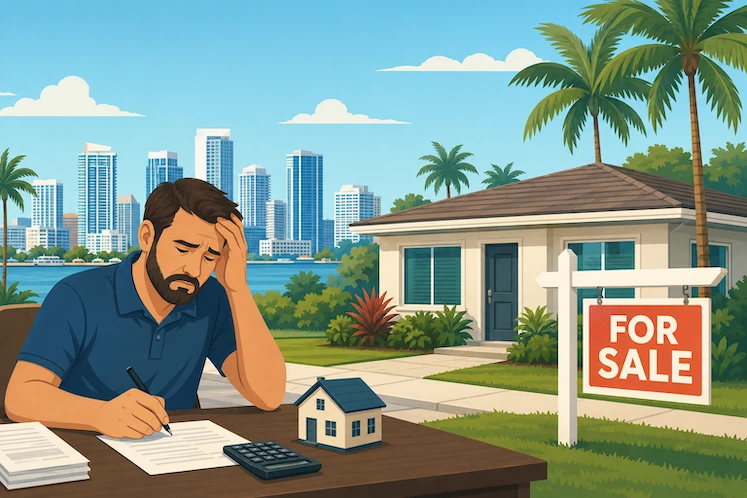
Florida’s rental market has changed dramatically over the last few years. What once felt like a reliable source of passive income is now becoming increasingly difficult for many property owners to manage. Between rising insurance costs, tenant issues, property taxes, maintenance demands, and changing regulations, more landlords across South Florida are deciding it’s time to step away from rental ownership altogether.
For some, the stress simply outweighs the profit. Others are cashing out while property values remain strong. No matter the reason, one thing is clear: Florida landlords are selling rentals faster than ever before.
If you own rental property in South Florida and feel overwhelmed by constant management headaches, you’re not alone.
The Reality of Owning Rental Property in Florida
Owning a rental property used to sound simple on paper. Collect rent, maintain the home, and build long-term equity. But in today’s market, landlords are dealing with challenges that continue to pile up year after year.
Many property owners are discovering that rental income no longer feels truly passive.
Insurance Costs Continue to Rise
One of the biggest pressures facing Florida landlords is insurance. Premiums across the state have increased sharply, especially in coastal regions vulnerable to hurricanes and flooding.
For landlords with older properties, multi-family units, or homes near the water, insurance expenses can eat into profits quickly. In some cases, property owners are paying thousands more annually compared to just a few years ago.
That financial strain becomes even harder when combined with maintenance costs and vacancies.
Property Taxes Are Increasing
South Florida home values have surged, which may sound positive for owners looking to build equity. But higher property values also mean higher property taxes.
Many landlords who purchased homes years ago are now facing significantly larger tax bills. Even properties with stable tenants can become difficult to justify financially when expenses continue rising faster than rental income.
Maintenance Never Stops
Rental properties require constant upkeep. Air conditioning systems fail, plumbing leaks happen unexpectedly, roofs age, and appliances break down at the worst possible time.
For landlords managing multiple units, maintenance becomes a full-time responsibility.
In South Florida’s humid climate, issues like mold, water intrusion, and storm damage also create additional repair costs that many owners didn’t anticipate when they first invested.
Tenant Issues Are Burning Out Landlords
Difficult tenants are another major reason many Florida landlords are deciding to sell.
Even experienced property owners can become exhausted by late rent payments, lease violations, property damage, or ongoing communication problems.
Evictions Have Become More Stressful
The eviction process can be emotionally draining, time-consuming, and expensive. Court fees, missed rental income, legal paperwork, and property turnover costs quickly add up.
Some landlords spend months trying to recover financially after a problematic tenancy.
For smaller property owners who rely on rental income to cover mortgages or retirement expenses, one bad tenant situation can completely change their outlook on being a landlord.
Constant Communication Creates Burnout
Many landlords underestimate how demanding tenant communication can become over time.
Maintenance requests, complaints, emergencies, late-night calls, HOA concerns, and scheduling repairs all require attention. Even landlords with property managers often remain heavily involved in decision-making.
Eventually, many owners begin asking themselves whether the stress is still worth it.
Short-Term Rental Regulations Are Changing
Short-term rentals once looked like an easy way to increase cash flow in South Florida. However, changing city regulations and HOA restrictions have complicated things for many property owners.
Some landlords are discovering that managing Airbnb-style properties requires far more work than expected.
Understanding local regulations has become increasingly important, especially as cities continue updating restrictions and compliance rules tied to vacation rentals and occupancy requirements. Many owners trying to navigate these changes closely monitor evolving short-term rental rules in South Florida before deciding whether to continue operating rental properties.
For some investors, selling the property has become simpler than adapting to constantly shifting regulations.
Many Landlords Want Simpler Investments
Not every landlord plans to own rental property forever.
Some property owners originally entered the market years ago when conditions were more predictable. Others inherited homes or became “accidental landlords” after relocating.
Today, many are reevaluating whether rental ownership still aligns with their lifestyle and financial goals.
Retirement Changes Priorities
Older landlords are especially likely to sell because they no longer want the responsibilities that come with property management.
Instead of dealing with repairs, tenants, and legal obligations, many prefer more passive investments or liquid cash that’s easier to manage during retirement.
Selling a rental property can provide financial flexibility without the ongoing stress of ownership.
Out-of-State Owners Face Bigger Challenges
Managing a rental from another state can quickly become difficult.
Long-distance landlords often struggle with:
- Coordinating repairs
- Monitoring tenants
- Responding to emergencies
- Handling inspections
- Managing local contractors
Over time, many decide the distance simply makes ownership impractical.
South Florida’s Strong Market Encourages Sales
Another reason landlords are selling is simple: the market remains attractive for sellers.
Property values across South Florida have remained relatively strong, allowing many landlords to walk away with substantial equity gains.
For owners who purchased homes years ago, this may feel like the right moment to cash out while demand remains high.
Some Owners Want to Avoid Future Risks
While South Florida remains a desirable market, some landlords are concerned about future uncertainty involving:
- Insurance instability
- Rising maintenance costs
- Interest rate changes
- Climate-related risks
- Regulatory shifts
Selling now allows them to lock in profits rather than risk future market complications.
Selling a Rental Property Isn’t Always Simple
Although many landlords are ready to sell, the process itself can create new complications.
Occupied properties, tenant cooperation, disclosures, repairs, and pricing strategies all influence how smoothly the sale goes.
Pricing the Property Correctly Matters
One of the most common mistakes landlords make is overpricing their rental property based on emotional attachment or outdated market expectations.
A realistic pricing strategy often attracts more serious buyers and reduces the time a property sits on the market. Sellers trying to move properties efficiently usually pay close attention to how experienced investors and agents price homes correctly for a fast sale in competitive South Florida markets.
Pricing becomes even more important when selling tenant-occupied homes that may already limit buyer interest.
Florida Disclosure Requirements Still Apply
Rental properties come with disclosure obligations that sellers cannot ignore.
Known issues involving water damage, structural concerns, repairs, HOA matters, or property history may need to be disclosed during the transaction process. Many landlords preparing to sell spend time reviewing Florida-specific disclosure expectations, especially for homes in competitive areas like Fort Lauderdale.
Proper preparation helps reduce delays and protects sellers during negotiations.
Why Cash Buyers Appeal to Burned-Out Landlords
Many landlords don’t want to spend months preparing a property for the traditional market.
That’s one reason cash buyers have become increasingly appealing for exhausted property owners looking for a faster exit.
Faster Closings Reduce Stress
Traditional home sales often involve:
- Repairs
- Inspections
- Financing contingencies
- Showings
- Delays
- Buyer negotiations
For landlords already burned out from years of management, that process can feel overwhelming.
Cash sales often simplify the experience and reduce the number of moving parts involved.
Some Landlords Prefer Selling As-Is
Many rental properties experience wear and tear over time. Instead of investing additional money into renovations or cosmetic updates, some owners prefer selling properties in their current condition.
This becomes especially appealing for landlords dealing with aging homes, deferred maintenance, or difficult tenant situations.
Property owners evaluating different selling options often compare how local cash home buyers near them structure offers, timelines, and closing processes before making a decision.
Signs It May Be Time to Sell Your Rental
Every landlord reaches a different breaking point, but certain signs tend to appear consistently.
Your Rental Feels Like a Constant Source of Stress
If you’re constantly worried about repairs, vacancies, or tenant problems, the emotional burden may be outweighing the financial return.
You’re Spending More Than You’re Earning
When insurance, taxes, maintenance, and vacancies consume profits, continuing ownership may no longer make financial sense.
You No Longer Want the Responsibility
Sometimes the biggest reason is simply burnout.
Many landlords eventually realize they no longer want to spend weekends handling maintenance calls or managing rental problems.
That realization alone is enough for many owners to start exploring exit strategies.
The Florida Rental Market Is Evolving
The reality is that owning rental property in Florida looks very different today than it did even five years ago.
Costs are higher. Regulations are more complex. Tenant expectations continue changing. And the emotional pressure of managing properties can become exhausting over time.
While some investors continue expanding their portfolios, others are deciding that selling provides more freedom, less stress, and better financial flexibility.
For many South Florida landlords, stepping away from rental ownership is no longer viewed as giving up. It’s simply a strategic decision based on changing priorities and market conditions.
Ready to Move On From Rental Property Stress?
If managing rental property no longer feels worth the stress, exploring your selling options may help you regain flexibility and peace of mind.
Get A Cash Offer
FAQ
Why are so many Florida landlords selling now?
Many landlords are facing rising insurance costs, higher property taxes, expensive maintenance, tenant issues, and growing burnout from property management responsibilities.
Is now a good time to sell rental property in South Florida?
For many owners, strong property values and continued buyer demand make this an attractive time to sell, especially before future costs increase further.
Can I sell a rental property with tenants still living there?
Yes. Many rental properties are sold while occupied, although lease agreements and tenant cooperation can affect the process and buyer interest.
Do I need to renovate my rental before selling?
Not always. Some landlords choose to sell properties as-is rather than investing additional money into repairs or upgrades.
Are cash buyers a good option for landlords?
Cash buyers can offer faster closings, fewer contingencies, and simpler transactions, which may appeal to landlords looking to avoid lengthy traditional sales processes.
What expenses are causing landlord burnout in Florida?
The biggest concerns include insurance premiums, property taxes, maintenance costs, HOA fees, vacancies, and unexpected repairs.