
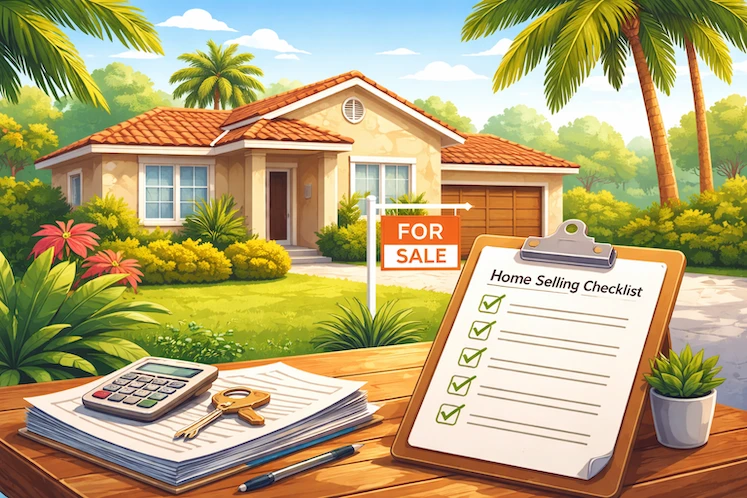
Selling your house in Florida isn’t just about putting a “For Sale” sign in the yard and waiting for offers. The steps you take before listing can directly impact how fast your home sells—and how much money you walk away with.
Whether you’re aiming to sell quickly, avoid costly delays, or simply get the best possible deal, preparation is everything. From understanding the Florida real estate market to getting your home ready for buyers, having a clear plan can make the entire process smoother and less stressful.
In this complete checklist, we’ll walk you through exactly what to do before selling your house in Florida, so you can move forward with confidence.
Understand the Florida Real Estate Market
Before making any decisions, it’s important to get a sense of the current market conditions in your area.
Florida’s real estate market can vary significantly depending on location, season, and demand. Coastal cities, tourist hubs, and suburban areas all behave differently, so knowing where your property stands is key.
Local Trends Matter
- Are homes selling quickly in your area?
- Are prices rising or stabilizing?
- Is it a buyer’s or seller’s market?
Understanding these factors helps you set realistic expectations and choose the right selling strategy.
Timing Your Sale
Florida’s market often sees increased activity during:
- Spring and early summer
- Snowbird season (winter months)
However, if speed is your priority, timing may matter less than choosing the right selling method.
Decide How You Want to Sell
One of the biggest decisions you’ll make is how to sell your home.
Traditional Listing vs Cash Sale
A traditional sale involves hiring an agent, listing your home, and waiting for a buyer. This route can potentially bring a higher price—but it also comes with more time, effort, and uncertainty.
On the other hand, cash buyers offer a faster, more direct process. If you’re unfamiliar with how that works, this breakdown of what it really means to sell houses for cash can help clarify the process.
Choosing the Right Approach
Ask yourself:
- Do I need to sell quickly?
- Can I afford repairs or upgrades?
- Am I willing to wait for the right buyer?
Your answers will guide your decision.
Get a Clear Picture of Your Home’s Value
Before listing—or accepting any offer—you need to understand what your home is worth.
Factors That Affect Value
- Location and neighborhood
- Property condition
- Comparable sales (comps)
- Market demand
Getting a realistic estimate ensures you don’t underprice or overprice your home.
Handle Repairs (Or Decide Not To)
One of the most common questions sellers face is whether to fix up the home or sell it as-is.
When Repairs Make Sense
- Minor cosmetic updates (paint, landscaping)
- Fixing obvious issues that could turn off buyers
- Improving curb appeal
These small changes can sometimes increase your selling price.
When Selling As-Is Is Better
If your home needs major repairs, renovations can quickly become expensive and time-consuming.
In these cases, many Florida homeowners opt to sell without making repairs—especially when speed and convenience are more important than maximizing price.
Declutter and Prepare Your Home
Presentation matters, even if you’re not planning a full renovation.
Simple Steps That Make a Difference
- Remove personal items and clutter
- Deep clean the home
- Organize storage areas
- Improve lighting and airflow
A clean, open space helps buyers visualize themselves living in the home.
First Impressions Count
Your home’s exterior is the first thing buyers see. Basic curb appeal improvements like trimming hedges, cleaning the driveway, and maintaining the lawn can go a long way.
Gather Important Documents
Being organized ahead of time can prevent delays during the selling process.
Key Documents to Prepare
- Property deed
- Mortgage information
- Property tax records
- HOA documents (if applicable)
- Utility bills
- Recent repair or maintenance records
Having these ready makes transactions smoother and builds trust with buyers.
Understand the Costs of Selling
Many homeowners underestimate the true cost of selling a home.
Common Expenses
- Real estate agent commissions
- Closing costs
- Repairs and staging
- Moving expenses
These costs can add up quickly, which is why some sellers look for alternatives that reduce or eliminate fees.
Plan Your Next Move
Before listing your home, think about where you’ll go next.
Questions to Consider
- Are you buying another home?
- Renting temporarily?
- Relocating out of state?
Having a plan helps you avoid rushed decisions and unnecessary stress.
Aligning Timelines
If you’re buying and selling at the same time, timing becomes critical. A faster sale can simplify this transition significantly.
Know Florida Disclosure Requirements
Florida law requires sellers to disclose known issues that could affect the value of the property.
What You May Need to Disclose
- Structural problems
- Water damage or mold
- Roof or HVAC issues
- Past repairs
Being transparent protects you legally and helps avoid complications later.
Prepare for Showings (If Listing Traditionally)
If you choose to list your home, be ready for showings and open houses.
What Buyers Expect
- Clean, well-lit spaces
- Neutral decor
- Easy access for viewing
Keeping your home “show-ready” at all times can be challenging, especially if you’re still living in it.
Consider Local Market Strategies
Different areas in Florida may require different approaches.
For example, sellers in competitive markets may benefit from pricing aggressively, while others might focus on speed and convenience.
Avoid Common Mistakes Before Selling
Preparation also means avoiding pitfalls that can delay your sale or reduce your profit.
Mistakes to Watch Out For
- Overpricing the property
- Ignoring necessary repairs
- Waiting too long to list
- Choosing the wrong selling method
- Not understanding your financial goals
Being proactive helps you stay in control of the process.
Final Checklist Before Selling Your Florida Home
Before you officially put your home on the market, make sure you’ve covered the essentials:
- Understand your local market conditions
- Choose your selling method (traditional vs cash)
- Know your home’s value
- Decide on repairs or selling as-is
- Clean and prepare the home
- Gather all necessary documents
- Understand costs and timelines
- Plan your next move
- Review legal disclosure requirements
Taking these steps puts you in a strong position to sell confidently and efficiently.
Final Thoughts
Selling your house in Florida doesn’t have to be complicated—but it does require preparation.
The more you plan ahead, the smoother the process will be. Whether you decide to go the traditional route or explore faster alternatives, knowing what to expect helps you avoid surprises and make better decisions.
If your goal is speed, simplicity, or avoiding costly repairs, exploring your options early can save you time and stress in the long run.