
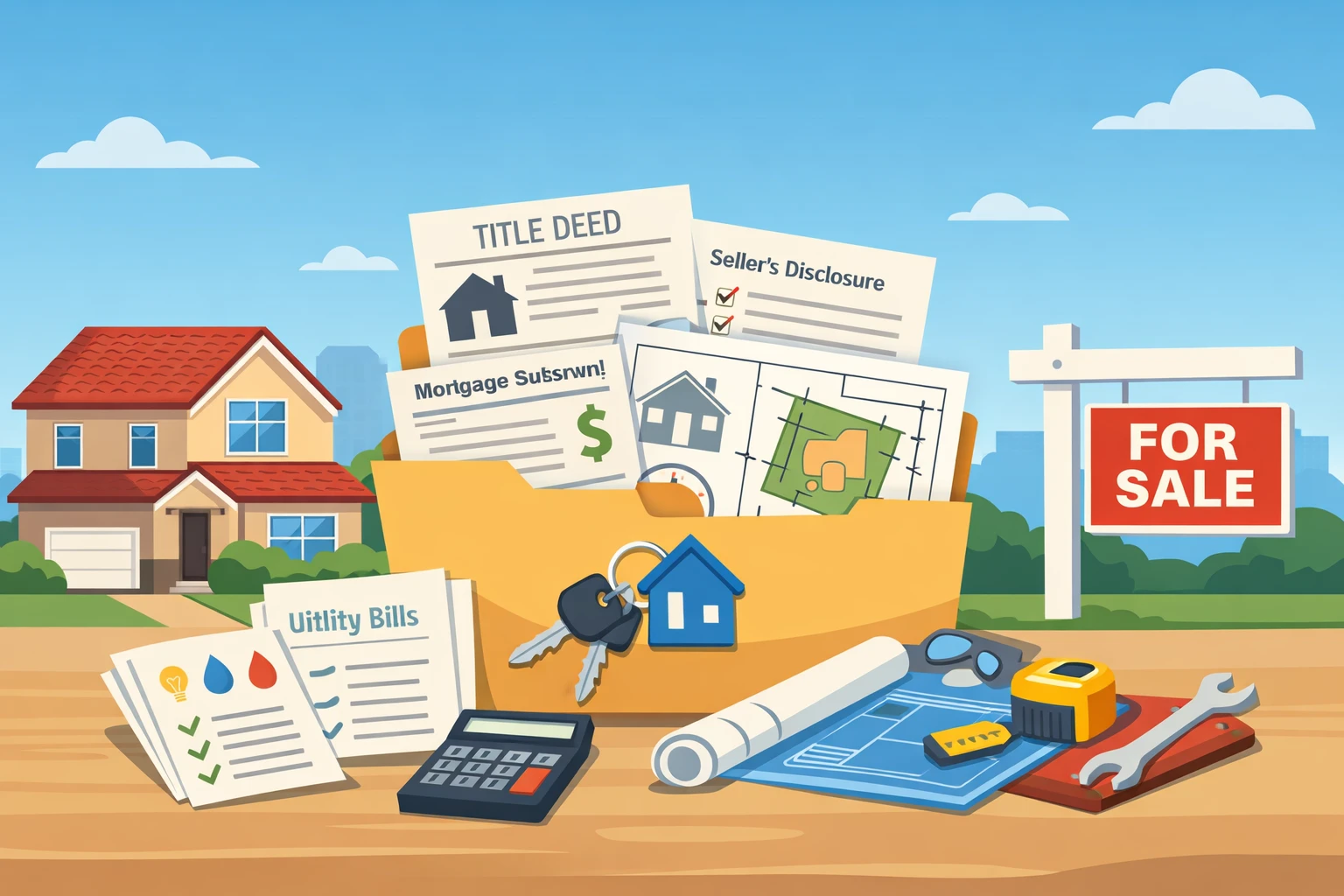
Selling a house isn’t just about finding the right buyer—it’s also about having the right paperwork ready. If you’re planning to sell your home, understanding what documents you need can save you time, reduce stress, and help avoid costly delays.
Whether you’re selling traditionally or exploring quicker options like cash buyers, having your documents organized puts you in control of the process. In this guide, we’ll walk through every essential document you need to sell a house, why each one matters, and how to prepare them efficiently.
Why Having the Right Documents Matters
Before diving into the list, it’s worth understanding why documentation plays such a critical role.
Real estate transactions involve legal ownership, financial obligations, and compliance with local laws. Missing or incorrect documents can slow down the sale—or worse, cause it to fall through entirely.
Having everything ready:
- Speeds up the closing process
- Builds trust with buyers
- Prevents last-minute surprises
- Helps you sell your house faster
If your goal is a smooth and efficient sale, preparation is everything.
The Essential Documents You Need to Sell a House
Let’s break down the key paperwork required when selling your property.
Proof of Ownership (Title Deed)
The title deed is the most important document in any home sale. It proves that you legally own the property and have the right to sell it.
What it includes:
- Your name as the legal owner
- Property description
- Ownership history
Before listing your home, make sure there are no issues with the title—such as liens or disputes. These can delay or completely block a sale.
Mortgage Statement (If Applicable)
If you still have a mortgage on your home, you’ll need your latest mortgage statement.
Why it matters:
- Shows your remaining loan balance
- Helps calculate your net proceeds
- Required for payoff during closing
Your lender will provide a final payoff amount once you’re ready to close.
Property Tax Records
Buyers want to know what they’ll be paying in property taxes, so having recent tax records is essential.
What to prepare:
- Annual property tax statements
- Payment history
- Any exemptions applied
This helps buyers evaluate affordability and prevents questions during negotiations.
Seller’s Disclosure Statement
This is a legal requirement in most areas. A seller’s disclosure outlines any known issues with the property.
Common disclosures include:
- Structural problems
- Roof condition
- Plumbing or electrical issues
- Past repairs or renovations
Being honest here protects you from legal trouble later. Transparency builds trust—and serious buyers appreciate it.
Homeowners Insurance Records
Providing proof of insurance helps demonstrate that the property has been properly maintained and protected.
Include:
- Current policy details
- Claims history (if any)
This can reassure buyers that the home hasn’t been subject to major undisclosed damage.
Home Inspection Reports (If Available)
While buyers often conduct their own inspections, having a recent report can speed things up.
Benefits:
- Identifies issues upfront
- Reduces negotiation delays
- Builds buyer confidence
If your inspection is clean, it becomes a strong selling point.
Purchase Agreement (Original)
Your original purchase agreement isn’t always required, but it can be useful.
Why keep it:
- Confirms past terms of sale
- Provides historical pricing
- Helps clarify property details
This document can also assist your agent or attorney during the transaction.
HOA Documents (If Applicable)
If your home is part of a homeowners association (HOA), you’ll need to provide related documents.
These include:
- HOA rules and regulations
- Fees and dues
- Financial statements
- Pending assessments
Buyers want full visibility into HOA obligations before committing.
Property Survey
A property survey outlines the exact boundaries of your land.
Why it’s important:
- Prevents boundary disputes
- Confirms lot size
- Identifies easements or encroachments
If you don’t have a recent survey, your buyer may request one before closing.
Renovation and Repair Records
If you’ve made improvements to your home, keep all documentation.
Examples:
- Contractor invoices
- Permits
- Warranty documents
These records show added value and reassure buyers that work was done properly.
Additional Documents That Can Help You Sell Faster
While not always required, these documents can make your sale smoother and more attractive.
Utility Bills
Providing recent utility bills helps buyers estimate monthly costs.
This includes:
- Electricity
- Water
- Gas
- Internet
Transparency here builds trust and reduces back-and-forth questions.
Floor Plans and Appraisals
If you have a recent appraisal or detailed floor plan, include it.
These documents:
- Support your asking price
- Help buyers visualize the space
- Strengthen your listing
Selling Faster? Documentation Still Matters
If your goal is speed, you might be considering alternative selling options.
For example, many homeowners look into cash buyers to avoid long waiting periods.
Even in faster sales, having your documents ready ensures a smoother transaction and quicker closing.
How to Organize Your Documents Efficiently
Having the documents is one thing—organizing them properly is another.
Create a Digital Folder
Scan all your documents and store them in one secure location. This makes it easy to share files quickly with buyers, agents, or attorneys.
Keep Physical Copies Handy
While digital files are convenient, some buyers or legal professionals may still request physical copies.
Label Everything Clearly
Use simple, descriptive names like:
- “Property Tax 2026”
- “Roof Repair Invoice”
- “HOA Rules”
This saves time and avoids confusion during negotiations.
Common Mistakes Sellers Make With Documents
Even experienced sellers can run into issues. Here are a few pitfalls to avoid:
Waiting Until the Last Minute
Delays often happen because sellers scramble to find documents after accepting an offer.
Start early.
Incomplete Disclosures
Leaving out known issues can lead to legal disputes later. Always be transparent.
Missing Permits
Unpermitted work can scare buyers or delay closing. Make sure all renovations are properly documented.
Ignoring Title Issues
If there’s a lien or dispute, resolve it before listing your property.
Want to Sell Faster? Preparation Is Your Advantage
The more prepared you are, the more confident buyers will feel—and that often leads to faster offers and smoother closings.
If you’re looking for a quicker route, especially in competitive markets, understanding your options can make a big difference. For example, if you’re in Florida, this guide on how to sell your house fast breaks down strategies that can help speed up the process.
And if you want to skip the uncertainty altogether, you can always get a free estimate to understand your home’s value and explore your selling options right away.
Final Thoughts
Selling a house doesn’t have to be overwhelming—but it does require preparation. Having the right documents ready puts you in a stronger position, helps avoid delays, and creates a smoother experience from listing to closing.
Think of your paperwork as part of your selling strategy. When everything is organized and accessible, you reduce friction, build trust with buyers, and increase your chances of closing quickly.
Take the time to gather these documents now—and you’ll thank yourself later when the offers start coming in.