
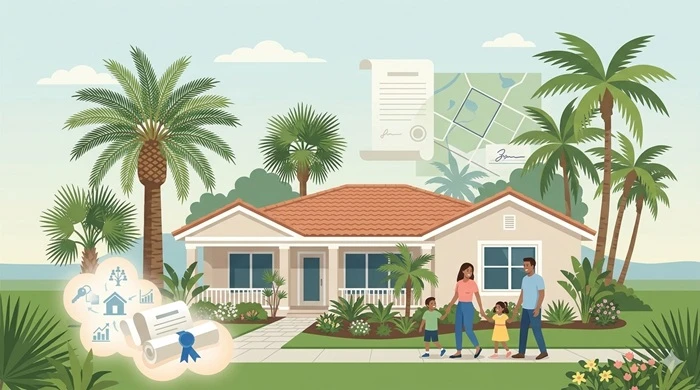
Understanding what happens to a family home after an owner dies can make an already difficult time more manageable. In Florida, homestead property may receive special protection from certain probate procedures, but that does not mean every home automatically passes to heirs without court involvement. The outcome depends on how the property was owned, who survives the owner, whether the property qualifies for Florida homestead protection, and what Florida law requires in that particular situation.
For homeowners, heirs, investors, and buyers, understanding these rules can help prevent costly delays and confusion when transferring or purchasing inherited real estate.
Key Takeaways
-
Florida homestead property may receive special protection from forced sale and certain creditor claims, but probate can still be necessary.
-
Ownership structure, surviving family members, and estate-planning documents influence how a home passes to heirs.
-
Buyers should verify title, court orders, and inheritance rights before purchasing an inherited property.
-
Sellers and heirs can reduce delays by understanding probate requirements and obtaining appropriate legal guidance.
What Does Homestead Protection Mean in Florida?
A Florida homestead is generally a property that qualifies as the owner’s primary residence under applicable state law. Homestead protection can provide benefits involving property taxes, creditor protection, and inheritance rights, although the requirements differ for each benefit.
When discussing inheritance, it is important to distinguish between two separate legal concepts:
-
Protection from creditors: Qualifying homestead real estate may be protected from certain claims against the deceased owner’s estate.
-
Probate administration: A court may still need to determine homestead status, identify lawful heirs, or resolve title issues before the property can be transferred or sold.
Florida’s homestead laws are governed by the state constitution and statutes, including Sections 732.401 and 732.4015 of the Florida Statutes. These provisions address inheritance rights and restrictions on how an owner can leave a homestead to beneficiaries.
Is Homestead Property Exempt From Probate in Florida?
The short answer is sometimes, but not automatically.
A qualifying homestead may pass to the appropriate beneficiaries outside the ordinary distribution of the probate estate. However, that does not necessarily eliminate the need for court involvement. In many cases, an application for a determination of homestead is needed to establish the property’s legal status and clarify who inherits it.
The process depends on the property’s ownership, the surviving family members, and the estate documents. A home held jointly with a right of survivorship, for example, may pass differently from a home titled solely in the deceased owner’s name.
The Florida Bar’s consumer guidance on probate explains that homestead and certain other assets are subject to special rules that differ from the ordinary distribution of an estate.
When Can a Home Pass Without Ordinary Probate Distribution?
A home may pass without ordinary probate distribution when the ownership structure and applicable law allow it. Common situations include:
-
Joint ownership with survivorship rights: The surviving owner may receive the deceased owner’s interest automatically, subject to the deed and applicable law.
-
Tenancy by the entireties: Qualifying property owned by spouses may pass to the surviving spouse by operation of law.
-
Homestead inherited by eligible heirs: The property may qualify for special treatment, although a court determination may still be needed.
-
Property held in a properly structured trust: Trust ownership may help avoid probate for the assets it legally holds, but Florida’s homestead restrictions can still apply.
Reviewing the deed and estate documents is essential before deciding that court proceedings are unnecessary.
How Florida Homestead Inheritance Rules Work
The identity of the surviving family members can significantly affect who receives the home. Florida law places restrictions on leaving a homestead through a will when the owner is survived by a spouse or minor child.
Under Section 732.4015, a homestead generally cannot be devised contrary to these restrictions. An exception permits a qualifying owner to leave the property to a surviving spouse when there are no minor children.
When the Owner Leaves a Surviving Spouse
When a deceased owner leaves both a spouse and descendants, the inheritance rules can provide the surviving spouse with a life estate and the descendants with a future interest in the property.
The surviving spouse may instead elect an undivided one-half ownership interest as a tenant in common, with the descendants receiving the other half. This election has specific legal requirements and a deadline.
Where a spouse survives but there are no descendants, the applicable inheritance rules may provide the spouse with the property. The precise result depends on the circumstances and whether the ownership and estate documents comply with Florida law.
When the Owner Leaves Children but No Spouse
When there is no surviving spouse, descendants may inherit the home under the will or Florida’s intestacy rules, depending on the circumstances.
A minor child’s interest can create additional complications because legal arrangements may be required to manage the child’s property. Families should seek legal advice before selling or transferring a home involving a minor beneficiary.
When There Is No Will
When a homeowner dies without a valid will, Florida’s intestacy rules generally determine the heirs, subject to special homestead provisions.
This can make the process more complicated when multiple relatives inherit interests in the same property. The heirs may need to coordinate decisions about maintenance, expenses, occupancy, and a potential sale.
What Buyers and Sellers Should Know About Inherited Homes
Inheritance-related property transactions require more preparation than a typical residential sale. Understanding the legal status of a home early can help both buyers and sellers avoid unnecessary delays.
Advice for Buyers Considering an Inherited Home
Anyone interested in buying probate property should verify that the person offering the home for sale has the legal authority to transfer ownership.
Before making a commitment, buyers should review:
-
Title records: Confirm the recorded owner and identify any outstanding interests or claims.
-
Court documents: Request relevant orders, including any determination of homestead or authority to sell.
-
Heirship and ownership: Establish whether other heirs, beneficiaries, or co-owners have rights in the property.
-
Outstanding obligations: Review property taxes, mortgages, liens, and other obligations that could affect the transaction.
-
Property condition: Arrange inspections and estimate repairs, particularly when the home has been vacant.
Buyers exploring a probate property for sale should also understand that a property’s inherited status does not automatically make it a bargain. The final cost may include repairs, legal expenses, insurance, and carrying costs while the transaction is completed.
In South Florida, it is also sensible to understand how South Florida buyers can review HOA financial health before purchasing a home in a homeowners association community.
Advice for Heirs and Sellers
Heirs considering a sale should first confirm who owns the property and whether any court action is needed to establish ownership or authorize a transfer.
For families dealing with selling a probate property, reviewing the estate documents and obtaining legal guidance early can help identify potential obstacles before a buyer is involved.
Inherited homes can also involve disagreements between family members. One heir may want to keep the property, while another may prefer to sell and receive their share of the proceeds. A clear understanding of each person’s legal interest can help the family evaluate available options.
When a sale is appropriate, preparation should include confirming the property’s title, identifying necessary signatures, reviewing outstanding expenses, and establishing a realistic timeline.
Can You Sell a Florida Homestead After the Owner Dies?
Yes, a qualifying inherited home can generally be sold, but the seller must have the legal authority to complete the transaction. A sale may require court involvement to establish homestead status, resolve ownership questions, or satisfy other legal requirements.
The practical steps often include the following:
-
Obtain the deed and confirm how the deceased owner held title.
-
Gather the will, death certificate, and relevant estate records.
-
Determine whether a court order or homestead determination is required.
-
Confirm the identities and legal interests of the heirs.
-
Resolve outstanding title issues and coordinate the closing requirements.
A title company or real estate attorney can help identify documents needed to transfer ownership. The requirements vary, so families should not assume that a death certificate alone is enough to authorize a sale.
For sellers who need a more straightforward transaction, sell your house fast may be an option worth exploring, provided the seller has the authority to convey the property and the transaction satisfies applicable legal requirements.
Does Homestead Protection Eliminate All Debts?
No. Homestead protection is not a blanket exemption from every financial obligation connected to a home.
Certain qualifying properties may be protected from some claims against the deceased owner’s estate. However, property taxes, mortgages, and specified obligations can still affect the property. The exact treatment depends on the type of debt, the property, and applicable law.
Buyers and heirs should therefore review title records and obtain professional advice before assuming that an inherited home is free from financial obligations.
How Property Tax Homestead Benefits Differ From Probate Protection
Florida’s homestead property tax exemption and its inheritance protections are related to the broader concept of homestead, but they serve different purposes.
A property tax exemption can reduce the assessed value used to calculate eligible homeowners’ property taxes. Inheritance protections, by contrast, concern matters such as who receives the home and whether certain creditors can force its sale.
The distinction matters because a tax exemption does not, by itself, establish that a home will pass automatically to a particular beneficiary after the owner’s death.
Homeowners planning their estates can learn more about how the Florida Homestead Exemption works to understand the tax benefits and eligibility considerations that may apply to their primary residence.
How Supreme Royalty Investments Can Help With Real Estate Decisions
Supreme Royalty Investments is a real estate property management company that helps property owners navigate real estate decisions and consider their options when managing or selling property.
For families handling an inherited home, practical concerns can extend beyond legal paperwork. They may need to assess the property’s condition, arrange maintenance, prepare the home for potential buyers, and coordinate the next steps in the selling process.
A real estate professional can help with property-related planning, market considerations, and sale preparation. Legal questions about inheritance, homestead status, ownership rights, or probate requirements should be addressed by a qualified Florida attorney.
Before listing an inherited home, owners should also verify the property’s recorded boundaries and ownership information. Understanding what is a legal description of property meaning can help buyers and sellers recognize why the legal description matters in deeds, title searches, and closing documents.
How to Reduce Delays When Transferring an Inherited Home
A little preparation can help families avoid common problems when managing a deceased owner’s residence.
Gather Documents Early
Locate the current deed, any will or trust, the death certificate, and available mortgage or tax records. These documents help the attorney and title professional evaluate the ownership situation.
Identify Everyone With a Legal Interest
Confirm the surviving spouse, heirs, beneficiaries, and any co-owners whose rights could affect the property. Family assumptions are not a substitute for reviewing the applicable law and documents.
Address Maintenance and Carrying Costs
Vacant homes still require attention. Insurance, utilities, property taxes, association fees, landscaping, and routine maintenance can add up while the family determines what to do next.
Get Professional Advice Before Listing
Before marketing the home, confirm whether the proposed seller can legally sign the deed and whether a court order or additional consent is necessary. This step can help prevent a transaction from being delayed after a buyer has already made an offer.
For owners and investors, the central lesson is that the legal status of a home should be clarified before making financial commitments.
Conclusion
Florida homestead law offers important protections, but those protections should not be confused with an automatic exemption from every probate procedure. Ownership structure, surviving family members, estate documents, and creditor claims all influence what happens after a homeowner dies.
For heirs, understanding these rules can make it easier to decide whether to retain, maintain, or sell an inherited residence. For buyers, checking ownership and court records before closing helps reduce the risk of title disputes.
Anyone dealing with a probate property should confirm the legal position before signing a contract or promising a transfer. A Florida estate attorney and a qualified title professional can clarify the applicable requirements, while a real estate professional can assist with property preparation and sale planning.
The most effective approach is to resolve legal questions early, understand the financial responsibilities involved, and make decisions based on verified ownership rights rather than assumptions.
Frequently Asked Questions
1. Is homestead property automatically exempt from probate in Florida?
No. Qualifying homestead may receive special inheritance treatment, but court involvement may still be necessary to establish status or resolve title issues.
2. Can heirs sell an inherited homestead in Florida?
Yes, provided the heirs or other parties completing the sale have the legal authority to transfer ownership and satisfy applicable requirements.
3. Can a surviving spouse inherit the entire homestead?
In some circumstances, yes. The outcome depends on the surviving family members, ownership arrangements, and applicable inheritance rules.
4. Can a home be sold while probate is pending?
Sometimes, but the required authority and procedure depend on the estate, title, and court requirements.
5. Does Florida homestead protection eliminate a mortgage?
No. Homestead protection does not automatically eliminate an existing mortgage or every other obligation secured by the property.