
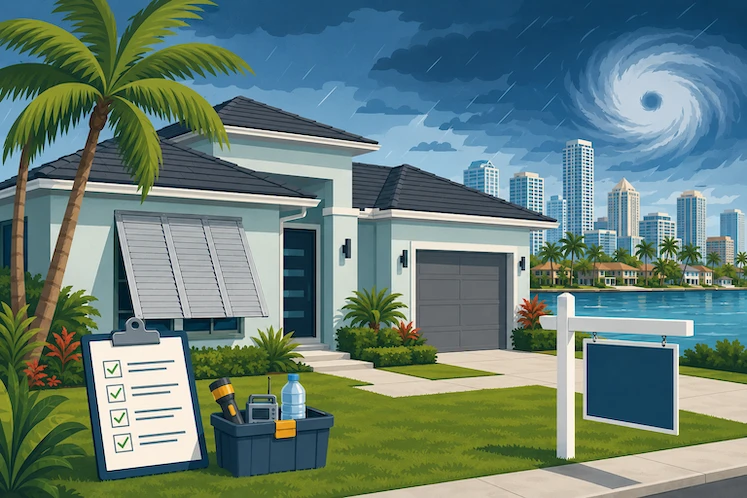
Selling a home in South Florida is different from selling in many other parts of the country. Buyers here are not only looking at location, layout, price, and curb appeal. They are also thinking about hurricane protection, flood risk, insurance costs, roof age, impact windows, drainage, and how well the property can handle severe weather.
That does not mean hurricanes make it impossible to sell. In fact, a well-prepared home can stand out in the South Florida real estate market. When sellers understand how hurricanes impact home selling and take the right steps before listing, they can build buyer confidence, reduce delays, and protect their asking price.
Whether you are selling in Miami-Dade, Broward, Palm Beach, or another coastal South Florida market, preparation matters. Here is what homeowners should know before putting a property on the market during hurricane season or in a storm-prone area.
Why Hurricanes Matter When Selling a Home
Hurricanes influence the way buyers evaluate risk. A buyer may love the kitchen, backyard, or location, but if the home has an aging roof, weak windows, prior water damage, or unclear insurance history, those concerns can affect the offer.
In South Florida, buyers often ask practical questions early in the process. Is the roof newer? Are the windows impact-rated? Has the home ever flooded? What does insurance cost? Are there shutters? Is the property in a flood zone?
These questions can shape negotiations before a buyer even schedules a second showing. Sellers who prepare answers in advance are usually in a stronger position.
How Hurricanes Can Affect Buyer Confidence
Buyer confidence is one of the biggest factors in a successful home sale. When a property feels storm-ready, buyers tend to feel more secure. When it feels vulnerable, they may hesitate or ask for concessions.
A hurricane-ready home can make buyers feel like they are purchasing peace of mind, not just square footage. Features such as impact windows, a newer roof, proper drainage, reinforced garage doors, and documented maintenance can make the home feel like a safer investment.
On the other hand, visible storm damage, missing permits, outdated protection, or vague repair history can create doubt. Even small uncertainty can lead to lower offers, longer inspection periods, or buyers walking away.
Hurricane Season Can Influence Timing
Hurricane season officially runs from June through November, and that timing can affect buyer behavior. Some buyers are more cautious during these months, especially if storms are active in the forecast.
This does not mean you should avoid selling during hurricane season. Many homes still sell successfully during this period. However, sellers need to be more intentional with preparation, pricing, and presentation.
If a storm is approaching, showings may slow down temporarily. Insurance binders can also become harder to secure when a named storm is nearby. This can delay closing if a buyer needs new coverage before finalizing the purchase.
That is why sellers should work ahead. Having inspections, documents, and repairs handled early can help prevent avoidable delays.
Insurance Costs Can Affect Offers
Home insurance is one of the most important parts of selling in South Florida. Buyers want to know what they may have to pay after closing, and insurance costs can influence affordability.
If a home has an older roof, outdated electrical systems, old plumbing, or limited storm protection, insurance may be more expensive. In some cases, buyers may have trouble getting coverage without repairs or upgrades.
A wind mitigation report can be valuable because it shows storm-resistant features that may qualify the buyer for insurance credits. These features may include roof-to-wall connections, roof deck attachment, secondary water resistance, impact openings, and roof shape.
Sellers who can provide useful insurance-related documentation often make the buying process smoother. It shows transparency and helps buyers understand the property more clearly.
Roof Condition Is a Major Selling Factor
In South Florida, the roof is one of the first things buyers, inspectors, lenders, and insurers look at. A roof that is near the end of its expected life can create serious friction during a sale.
Even if the roof is not leaking, age alone can raise concerns. Buyers may worry about future replacement costs, insurance eligibility, and hurricane durability.
Before listing, sellers should know the roof’s age, material, permit history, and repair record. If the roof has been replaced, keep receipts, permits, warranties, and contractor information ready.
If the roof has visible damage, missing tiles, soft spots, or active leaks, addressing those issues before listing may help prevent difficult negotiations later. In some cases, a pre-listing roof inspection can give sellers a clearer understanding of what buyers may discover.
Impact Windows and Shutters Add Value
Storm protection can be a major selling point. Impact windows, accordion shutters, panel shutters, and reinforced doors help buyers feel more comfortable about hurricane risk.
Impact windows are especially attractive because they provide year-round protection without requiring buyers to install shutters before every storm. They can also help with noise reduction, security, and energy efficiency.
If your home has shutters or impact-rated openings, make sure they are clean, functional, and easy to demonstrate. Buyers may ask whether every opening is protected, including doors, garage doors, and smaller windows.
Documentation matters here too. Product approvals, permits, warranties, and installation records can support your claims and make buyers feel more confident.
Flood Zones Can Shape the Conversation
Flood risk is another key issue in South Florida home selling. Properties near canals, bays, beaches, low-lying streets, or coastal areas may receive extra attention from buyers.
Being in a flood zone does not automatically make a home difficult to sell. Many desirable South Florida neighborhoods include flood-zone properties. The key is being upfront and prepared.
Buyers may want to know whether flood insurance is required, whether the home has flooded before, and what drainage looks like during heavy rain. Elevation certificates, flood insurance information, and prior claim history can help answer these questions.
If you are selling in a high-demand area, the right preparation can still attract serious buyers. The goal is to reduce uncertainty, not hide risk.
Previous Storm Damage Must Be Handled Carefully
If your home has experienced hurricane damage in the past, honesty is essential. Undisclosed damage can lead to legal issues, failed inspections, or lost trust during the transaction.
Past damage does not always scare buyers away, especially if repairs were completed properly. What buyers want to see is that the work was handled professionally and that the home is now in good condition.
Gather records for repairs, permits, contractor invoices, insurance claims, warranties, and photos if available. The more organized your documentation is, the easier it becomes to explain the home’s condition.
A repaired home with clear records is usually much stronger than a home with vague answers and missing paperwork.
Preparing Your Home Before Listing
Good preparation can help your home show better and sell with fewer issues. Start by looking at the property through the eyes of a cautious buyer.
Check the roof, gutters, windows, doors, exterior paint, landscaping, drainage, fencing, pool equipment, and any visible signs of moisture. Even small maintenance issues can feel bigger in a hurricane-prone market.
If you are unsure where to start, compare your situation with nearby seller strategies, for example in coral gables , preparation and confidence play a major role in the listing process.
The better your home looks and feels from the beginning, the easier it is for buyers to focus on its strengths.
Get a Pre-Listing Inspection
A pre-listing inspection can help sellers identify issues before buyers do. This can be especially useful in South Florida, where roof condition, moisture, electrical systems, plumbing, and storm protection are closely reviewed.
You do not have to fix every issue before listing, but knowing what exists gives you control. You can repair important items, price the home accordingly, or prepare explanations and documents.
A pre-listing inspection may also help reduce surprises during the buyer’s inspection period. That can lead to smoother negotiations and fewer last-minute problems.
Organize Important Property Documents
Documentation can make a major difference when selling a home affected by hurricane-related concerns. Buyers want clarity, and organized records help provide it.
Useful documents may include roof permits, window permits, shutter records, insurance claim history, wind mitigation reports, elevation certificates, warranties, repair invoices, inspection reports, and maintenance receipts.
Keep these documents in one folder so they are easy to share when needed. A prepared seller often appears more trustworthy and professional.
This is especially helpful in competitive markets where buyers are comparing multiple homes. A property with clear records may feel less risky than one with unanswered questions.
Improve Drainage and Exterior Maintenance
Water management is a big part of hurricane preparation. Heavy rain can expose drainage problems, foundation concerns, and landscaping issues.
Before listing, clean gutters, clear drains, trim trees, remove dead branches, and make sure water flows away from the home. If your yard has low spots where water collects, consider basic grading or drainage improvements.
Buyers notice exterior maintenance quickly. A clean, well-kept exterior suggests the home has been cared for, while neglected landscaping can raise concerns about hidden issues.
Small improvements can make the home feel more storm-ready without requiring a major renovation.
Highlight Hurricane-Resistant Features in the Listing
If your home has storm-ready features, make sure they are included in the listing description. Buyers may filter or compare homes based on these details.
Mention features such as impact windows, newer roof, hurricane shutters, reinforced garage door, elevated structure, updated drainage, whole-home generator, newer AC, or recent exterior upgrades.
Do not exaggerate or make claims you cannot support. Instead, use clear, factual language that helps buyers understand the benefits.
For example, “impact-rated windows installed with permits” is stronger than simply saying “storm-ready home.” Specifics build trust.
Price the Home With Risk and Readiness in Mind
Pricing should reflect the home’s condition, location, upgrades, and market demand. In hurricane-prone areas, storm readiness can affect perceived value.
A home with a new roof, impact windows, and strong documentation may support a more confident asking price. A home needing major exterior repairs may need pricing that accounts for buyer concerns.
The goal is not to underprice your home. The goal is to price it realistically based on how buyers will evaluate risk, repairs, and long-term costs.
A smart pricing strategy can attract serious buyers early and reduce the chance of sitting on the market.
Be Ready for Inspection Negotiations
Inspection negotiations are common in South Florida home sales. Buyers may ask for credits, repairs, price reductions, or extended due diligence if hurricane-related issues appear.
Roof concerns, moisture readings, window issues, damaged shutters, old electrical panels, and drainage problems can all become negotiation points.
The best way to prepare is to know your home’s condition before listing. If you already repaired major issues or gathered estimates, you can respond from a position of knowledge.
This is where preparation can protect your bottom line. Sellers who are surprised often feel pressured. Sellers who are prepared can negotiate more confidently.
Consider Cash Buyers if Repairs Are Too Costly
Not every seller wants to make major hurricane-related repairs before selling. If the roof needs replacement, the home has water damage, or insurance issues are creating obstacles, a traditional sale may feel overwhelming.
In that situation, selling as-is to a cash buyer may be worth considering. Cash buyers often focus less on lender requirements and may be more flexible with repairs, closing timelines, and property condition.
This can be helpful for homeowners who want a faster, simpler sale without investing heavily upfront. For sellers weighing that option, getting a free home estimate can provide a clearer starting point before deciding how to move forward.
How Location Changes Hurricane Concerns
Not every South Florida property faces the same storm-related concerns. A waterfront home may raise different questions than an inland property. A condo may involve different insurance and maintenance factors than a single-family home.
Coastal homes may receive more attention around flood zones, elevation, wind exposure, and insurance costs. Inland homes may still face roof, drainage, and wind mitigation concerns, but buyers may view the risk differently.
Neighborhood expectations also matter. Sellers in high-value areas may need stronger documentation because buyers expect more certainty. Sellers in more affordable markets may need to address insurance affordability more directly.
If you are comparing local selling conditions, this Boca Raton listing insight shows how location-specific details can shape buyer expectations before a home ever hits the market.
Condo Sellers Have Different Hurricane Considerations
Selling a condo in South Florida comes with its own hurricane-related factors. Buyers may ask about building reserves, association insurance, roof responsibility, windows, assessments, and past storm damage.
If the building has completed recent roof, concrete, window, or structural work, that can be a positive selling point. If there are pending assessments or unresolved insurance claims, buyers will want to know.
Condo sellers should gather association documents early. This may include insurance summaries, budget information, reserve details, assessment notices, and maintenance records.
A buyer may love the unit itself, but the building’s condition and financial health can strongly influence the decision.
Do Not Wait Until a Storm Is Near
One of the biggest mistakes sellers make is waiting until a storm is approaching to prepare. By then, contractors may be busy, insurance restrictions may apply, and buyers may become more cautious.
The best time to prepare is before listing. The second-best time is now.
Check your storm protection, update your records, handle visible repairs, and confirm that your listing accurately presents the home’s condition. This reduces stress and gives buyers fewer reasons to hesitate.
Strong preparation can also help if a storm happens while your home is on the market. You will be in a better position to protect the property, resume showings, and reassure buyers afterward.
What to Do If a Hurricane Hits During the Sale
If a hurricane affects the area while your home is under contract, communication becomes critical. Both sides will likely want to confirm the property’s condition before closing.
The buyer may request another walkthrough or inspection. The lender or insurer may also need confirmation that the home did not suffer damage.
After the storm, document the property with photos and videos. Check the roof, windows, doors, yard, pool, fence, garage, and interior for any signs of damage or moisture.
If damage occurred, disclose it quickly and discuss next steps with the buyer. Trying to minimize or hide damage can create bigger problems later.
Selling As-Is After Hurricane Damage
Some homeowners decide to sell as-is after storm damage instead of making repairs. This can be a practical option when repairs are expensive, insurance claims are delayed, or the seller needs to move quickly.
An as-is sale does not mean buyers ignore the condition. It means the seller is not agreeing to make repairs as part of the sale. Buyers may still inspect the property and negotiate based on what they find.
To make an as-is sale smoother, be transparent about known issues and provide whatever documentation you have. Clear communication can prevent misunderstandings and attract buyers who are comfortable with the property’s condition.
This type of sale may not bring the same price as a fully repaired home, but it can reduce time, stress, and upfront expenses.
How Hurricanes Affect Appraisals and Financing
Hurricane-related issues can also affect appraisals and financing. If the home has visible damage, deferred maintenance, or safety concerns, a lender may require repairs before closing.
This is especially important for buyers using certain loan programs that have property condition requirements. Roof issues, water intrusion, broken windows, or damaged electrical systems can create delays.
Even with conventional financing, insurance availability matters. If a buyer cannot secure coverage, the loan may not move forward.
Sellers can reduce these risks by addressing major issues early and keeping documentation ready for appraisers, buyers, agents, and lenders.
Marketing a Storm-Ready Home the Right Way
Marketing matters. A home with strong hurricane protection should not bury those features at the bottom of the listing.
Use photos and descriptions that highlight value. Show impact windows, clean exterior areas, shutters, roof condition, drainage improvements, and any major updates.
The tone should be practical, not fear-based. Buyers do not want to feel pressured by hurricane risk. They want to feel informed and reassured.
A strong listing positions the home as comfortable, well-maintained, and prepared for South Florida living.
Lessons for Sellers Outside South Florida
While hurricane concerns are especially relevant in South Florida, storm preparation also matters in other Florida markets. Sellers in Central Florida, for example, may deal with wind, rain, roof, and insurance concerns even if they are farther from the coast.
The same basic principles apply: know the home’s condition, document repairs, understand insurance factors, and prepare before listing.
Final Checklist Before Listing
Before listing your South Florida home, take time to review the most important hurricane-related details.
Know the roof age and condition. Confirm whether windows, doors, and shutters are properly permitted and functional. Gather insurance documents, wind mitigation reports, permits, and repair records. Check for drainage issues, water stains, damaged fencing, and exterior wear.
Then make sure your listing highlights the home’s strengths clearly and accurately.
Preparation does more than help your home look better. It helps buyers feel safer about moving forward.
Conclusion
Hurricanes are part of life in South Florida, and buyers know that. What they want is a home that feels prepared, transparent, and properly maintained.
If you are planning to sell, do not wait for buyer concerns to surface during inspection. Address storm-related questions early, organize your documents, make smart repairs, and highlight features that add confidence.
A hurricane-ready selling strategy can help your home stand out, reduce delays, and support a stronger sale. In a market where buyers pay close attention to risk, preparation is one of your best advantages.
FAQ
Do hurricanes lower home values in South Florida?
Hurricanes can affect buyer perception, insurance costs, and repair concerns, but they do not automatically lower a home’s value. A well-maintained home with storm-resistant features may still attract strong buyer interest.
Should I replace my roof before selling?
It depends on the roof’s age, condition, and how it affects insurance or buyer confidence. If the roof is old or damaged, replacing it or pricing the home accordingly may help avoid problems during inspection.
Are impact windows worth mentioning in a listing?
Yes. Impact windows are a strong selling feature in South Florida. They can improve buyer confidence and may help with insurance-related conversations.
Can I sell my home during hurricane season?
Yes. Homes sell during hurricane season, but sellers should prepare carefully. Have documents ready, address visible issues, and understand that storms may temporarily affect showings, insurance, or closing timelines.
What documents should I prepare before selling?
Useful documents include roof permits, repair invoices, insurance claim records, wind mitigation reports, elevation certificates, window permits, shutter records, and warranties.
What happens if a storm damages my home while it is under contract?
The buyer may request another inspection or walkthrough. You should document the damage, disclose it, and work through repairs, credits, or contract terms with the buyer.
Can I sell a hurricane-damaged house as-is?
Yes. Many homeowners sell as-is after storm damage, especially if they do not want to make repairs. The key is transparency and realistic pricing.