
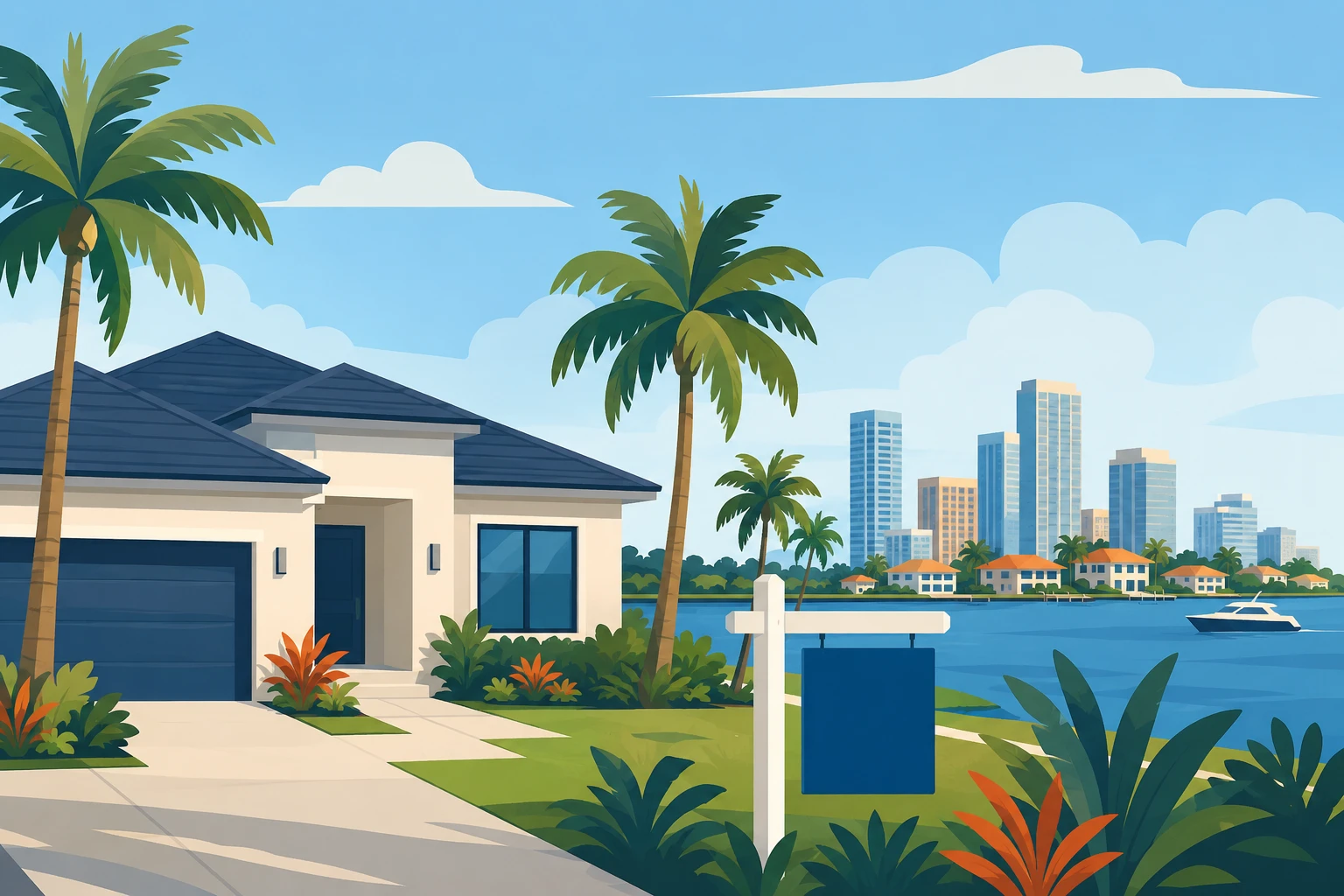
Florida real estate keeps attracting attention for one simple reason: people still want to live, invest, retire, and relocate here. From coastal condos to suburban single-family homes, the market remains active because Florida offers job growth, lifestyle appeal, tax advantages, and year-round demand from both residents and out-of-state buyers. If you are trying to understand where the market stands now, the real question is not whether Florida is still desirable. It is how to make smart decisions in a market that rewards preparation, local knowledge, and realistic expectations.
For homeowners, buyers, and investors, Florida real estate in 2026 is less about guessing the next big spike and more about reading neighborhood-level trends. Insurance costs, inventory shifts, migration patterns, rental rules, and pricing discipline all matter. A home that is well-positioned and correctly marketed can still move quickly. A property that is overpriced or poorly presented can sit far longer than owners expect.
This guide breaks down the Florida real estate market in a practical way. Whether you are selling in Miami-Dade, shopping in Tampa, comparing opportunities in Orlando, or watching growth in Jacksonville and Southwest Florida, these are the factors that matter most right now.
Why Florida Real Estate Still Stands Out
Florida continues to pull in buyers from across the country because it checks several boxes at once. Many households still see the state as a place to lower their tax burden, improve their lifestyle, or stretch retirement dollars. At the same time, employers in healthcare, logistics, tourism, construction, and professional services keep major metro areas active.
That broad demand matters because it gives Florida more than one source of housing activity. It is not just retirees. It is remote workers, young families, entrepreneurs, seasonal residents, and investors looking for long-term population growth.
Migration Still Shapes Demand
Even as national housing conditions fluctuate, Florida benefits from continued domestic migration. People moving from the Northeast, Midwest, and West Coast still see value in many Florida markets, especially compared with higher-cost states.
That does not mean every city behaves the same way. Some areas are seeing stronger condo competition. Others are seeing more inventory in the single-family segment. The key is to avoid treating Florida like one giant market. A seller in Fort Lauderdale and a buyer in Gainesville are operating in very different environments.
Lifestyle Sells, but Costs Matter More Now
Beach access, warm weather, and no state income tax remain major advantages. But buyers are more careful than they were during the most aggressive pandemic-era run-up. They are asking harder questions about flood zones, insurance, association fees, commuting patterns, and long-term upkeep.
That shift means sellers who present clear information tend to build trust faster. Buyers are not just shopping for square footage. They are shopping for predictability.
What Sellers Need to Understand in Today’s Market
Florida sellers can still do well, but the easy-money mindset is fading in many neighborhoods. Properties that are clean, repaired, correctly priced, and marketed with strong visuals usually perform best. Homes that lean on old comps or emotional pricing often struggle.
The first mistake many owners make is assuming demand alone will solve everything. Demand helps, but condition and pricing are still the deciding factors. If you are trying to sell, think like a buyer with options.
Pricing Is the Difference Between Momentum and Stagnation
One of the fastest ways to lose leverage is to price too high and chase the market downward later. In many Florida areas, buyers are watching days on market closely. When a listing lingers, people start to assume something is wrong.
That is why accurate pricing matters so much. It helps to study recent local sales and compare not just square footage, but condition, updates, lot quality, age of roof, flood exposure, and neighborhood appeal.
Disclosure and Documentation Build Confidence
Florida buyers are cautious about hidden issues, and that makes transparency more valuable. Roof age, HVAC history, plumbing updates, permits, association rules, and insurance details can all influence negotiations.
Clear communication matters even more in older housing stock or areas with weather-related wear. Sellers who understand the importance of paperwork often avoid last-minute surprises reflects how detailed disclosure habits can support a smoother closing process.
Investors and Cash Buyers Still Play a Big Role
Florida remains attractive to investors, but the strategy has become more selective. Buyers are paying closer attention to carrying costs, rental restrictions, renovation budgets, and neighborhood resilience. That means investor activity is still present, but less careless.
For homeowners with inherited properties, homes needing repairs, or situations that call for speed, cash buyers can still be a useful path. The important part is evaluating reputation, proof of funds, flexibility, and contract terms rather than reacting to the first offer.
When a Fast Sale Makes Sense
A traditional listing is not always the best fit. Some owners need to move quickly because of probate, divorce, relocation, major repairs, or financial pressure. In those cases, certainty can matter more than squeezing out every last dollar on paper.
The right move depends on timing, property condition, and personal priorities. A fast sale can be a smart strategy when it reduces risk, carrying costs, and stress.
Buyers Need to Think Beyond the Listing Price
For buyers, Florida still offers opportunity, but budgeting has to be realistic. The monthly cost of ownership may include items that surprise people moving from other states. Insurance premiums, HOA dues, wind mitigation work, and maintenance in humid climates can all affect affordability.
That is why a lower purchase price does not always mean a cheaper home to own. Buyers should evaluate the full monthly picture and not just the mortgage estimate.
Neighborhood-Level Research Matters More Than Statewide Headlines
A statewide headline can say inventory is rising, but that does not tell you what is happening on a specific block. Some neighborhoods are still seeing strong competition for updated homes. Others are giving buyers more room to negotiate.
Look at school zones, commute routes, flood maps, development plans, and nearby construction. Pay attention to whether a community is dominated by primary residents, seasonal owners, or short-term rentals. Those details shape both daily life and long-term value.
Short-Term Rentals Are Not a Free-for-All
Many buyers assume they can purchase in Florida and immediately turn a property into a short-term rental. Sometimes they can. Sometimes they definitely cannot. City rules, county enforcement, zoning limitations, and HOA restrictions all matter.
That is why rental strategy should be researched before closing, not after. In markets where vacation demand is strong, buyers still need to understand what the local framework allows. A good reminder that income potential depends on compliance, not just demand.
Condo Buyers Should Be Especially Careful
Florida condos can look attractive because they offer location and amenities, but association costs and building-level issues deserve close review. Reserve funding, maintenance plans, assessments, insurance changes, and occupancy rules can heavily affect the real cost of ownership.
Buyers should request documents early and read them carefully. A good location does not cancel out a weak association budget.
Regional Trends Across Florida
Florida is not moving in one direction everywhere. Each region has its own pace, housing stock, and buyer profile.
South Florida
South Florida remains one of the most internationally visible parts of the state. It continues to attract luxury buyers, seasonal residents, and people relocating from higher-cost metros. At the same time, insurance, condo costs, and affordability pressures are shaping decisions more than before.
Central Florida
Orlando and surrounding areas benefit from job growth, tourism, and family-friendly suburban expansion. New construction matters here, but so do commute patterns and infrastructure. Buyers often compare resale homes with newer communities, which puts pressure on older listings to show well.
Tampa Bay and Southwest Florida
The Gulf Coast remains popular for lifestyle buyers and retirees, but inventory conditions can vary sharply by submarket. Waterfront appeal stays strong, yet weather risk and insurance planning are now part of almost every serious conversation.
North Florida and Jacksonville
North Florida often appeals to buyers looking for more relative affordability and a broader mix of urban, suburban, and coastal living. Jacksonville in particular continues to draw attention for size, job access, and housing variety.
How to Prepare a Florida Home for Sale
A strong sale usually starts before the home ever hits the market. Sellers who take time to prepare the property often create better first impressions and stronger negotiating positions.
Focus on Condition Signals
Buyers notice the basics fast. Fresh paint, clean landscaping, working fixtures, and visible maintenance all send the message that the home has been cared for. Small repairs matter because they reduce the fear of bigger hidden problems.
Make Insurance and Roof Questions Easy to Answer
In Florida, roof age and storm readiness can influence buyer confidence more than cosmetic upgrades. If you have inspection reports, permit history, or documentation for improvements, organize them before listing.
Use Honest Marketing
Overselling a property rarely helps. Clear photos, accurate descriptions, and realistic positioning attract better-qualified buyers. That usually leads to more productive showings and fewer deals falling apart later.
What Buyers and Sellers Should Watch Next
The Florida market will keep responding to migration, financing conditions, insurance trends, and local supply. That means opportunities will continue to exist, but they will favor people who do the work.
Sellers should watch neighborhood competition, not just old peak pricing. Buyers should watch total ownership cost, not just the listing number. Investors should stress-test assumptions before making offers. Everyone should remember that local details matter more than broad hype.
Final Takeaway
Florida real estate is still full of opportunity, but the smartest moves come from staying grounded. For sellers, that means realistic pricing, strong preparation, and a strategy that fits the property. For buyers, it means understanding true monthly cost, local restrictions, and neighborhood quality. For investors, it means knowing where demand is durable and where risk is rising.
The market is still active, but it is rewarding clarity over impulse. If you approach Florida real estate with better information and a local mindset, you put yourself in a much stronger position to make the right move.
FAQ
Is Florida still a good place to buy real estate in 2026?
For many buyers, yes. Florida still offers strong lifestyle appeal, continued migration, and diverse local markets. The best opportunities depend on your budget, location, insurance outlook, and long-term goals.
Are Florida home prices still rising everywhere?
No. Some areas remain competitive, while others have more inventory and slower movement. Florida is a collection of local markets, so pricing trends vary by city, neighborhood, and property type.
What is the biggest mistake sellers make in Florida?
Overpricing is one of the most common mistakes. A home that enters the market too high can lose momentum, sit longer, and attract lower offers later.
Should I buy a Florida property as a short-term rental?
Only after confirming local rules, zoning limits, and HOA restrictions. Rental demand can be strong, but compliance determines whether the strategy is actually viable.
What should buyers budget for beyond the mortgage?
Insurance, HOA fees, maintenance, taxes, utilities, and storm-related upkeep are all important. In Florida, the full cost of ownership matters just as much as the purchase price.