
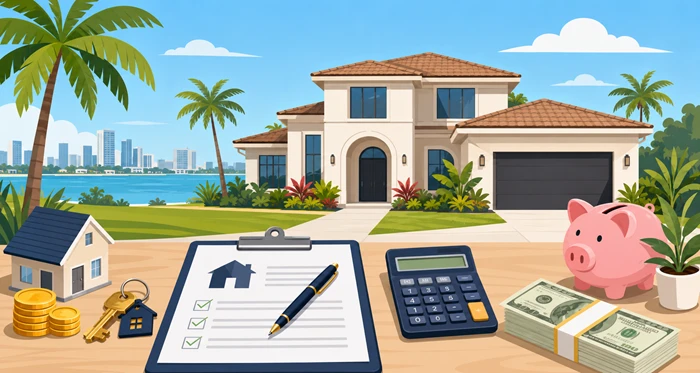
Selling a home involves more than finding a buyer and signing paperwork. Every transaction comes with expenses that can affect how much money you ultimately take home. Understanding these costs ahead of time makes it easier to budget, negotiate, and avoid last-minute surprises.
Whether you’re relocating, downsizing, or selling an inherited property, knowing the cost of selling a home can help you make informed financial decisions. From real estate commissions and closing expenses to taxes and repair costs, every detail plays a role in your final proceeds. If you’re looking for a faster alternative to the traditional market, you can also explore options to sell your house fast and simplify the selling process.
What Makes Up the Overall Selling Expenses?
Every home sale is unique, but most sellers encounter several common expenses before the transaction is complete. Some costs are fixed, while others depend on your home’s price, negotiations, and the terms of the agreement.
Typical selling expenses include:
-
Real estate agent commissions
-
Title and closing fees
-
Documentary stamp taxes
-
Attorney or escrow fees where applicable
-
Mortgage payoff costs
-
Home repairs or buyer-requested credits
-
Moving expenses
Understanding these categories allows you to estimate your net proceeds before listing your property.
Real Estate Commission Costs
For many homeowners, the largest expense is the commission paid to real estate professionals. While commission structures vary, they are generally negotiated before the property is listed.
The total commission is typically deducted from the seller’s proceeds at closing. Depending on the agreement, this amount may be shared between the listing agent and the buyer’s agent.
Today’s market also offers alternatives, including discount brokerages and direct home buyers. Comparing different selling methods can help determine which option aligns with your financial goals.
Closing Costs Sellers Should Expect
Closing costs include the administrative and legal expenses required to finalize the sale. These charges are separate from agent commissions and often include several individual fees.
Common closing costs may include:
Title Services
Title companies perform title searches, prepare documents, and coordinate the closing process. These services ensure ownership can legally transfer to the buyer without unresolved claims.
Recording and Administrative Fees
Local government recording charges and document preparation fees are often included as part of the closing process. While each fee may seem small individually, together they contribute to the seller’s total expenses.
Outstanding Mortgage Balance
If you still owe money on your mortgage, the remaining balance is paid off using the proceeds from the sale. Your lender may also charge a payoff processing fee depending on your loan terms.
Taxes That May Apply When Selling
Taxes are another important consideration during a home sale. Florida has unique requirements that sellers should understand before closing.
One of the most common seller expenses is the Florida documentary stamp tax, which is calculated based on the property’s selling price.
Depending on your financial situation, you may also need to consider federal tax obligations related to the sale of your property. Understanding these potential liabilities early can help you avoid unexpected financial surprises after closing.
Preparing Your Home Before Listing
Many homeowners spend money improving their property before putting it on the market. While not every repair is necessary, addressing obvious issues can improve buyer confidence and reduce negotiation challenges.
Rather than investing in every possible upgrade, it’s often more effective to focus on improvements that provide the greatest return. Knowing what to fix before selling your home allows you to prioritize repairs that buyers notice most while avoiding unnecessary expenses.
Simple improvements that often make a positive impact include:
-
Fresh interior paint
-
Professional cleaning
-
Minor plumbing repairs
-
Landscaping and curb appeal
-
Replacing broken fixtures
-
Fixing visible cosmetic damage
Making strategic improvements instead of major renovations can help you present your property well without significantly increasing your selling expenses.
Timing Can Influence Your Selling Costs
Many homeowners focus only on the expenses involved in selling, but timing can also affect the amount of money you walk away with. Market demand, inventory levels, and seasonal trends often influence how quickly a property sells and how much buyers are willing to pay.
If you’re planning your sale well in advance, it’s worth learning about the best months to sell a home in South Florida. Choosing the right time to list can attract more qualified buyers and reduce the likelihood of price reductions or extended time on the market.
Potential Tax Considerations Beyond Closing
While Florida doesn’t impose a state income tax, some homeowners may still face federal tax obligations depending on how long they’ve owned the property, whether it was their primary residence, and the profit earned from the sale.
Understanding how capital gains tax works before listing your property can help you prepare for any potential tax liability and avoid unexpected financial surprises after closing.
Ways to Reduce Selling Expenses
Although some fees are unavoidable, there are several practical ways to keep your overall expenses under control.
Compare Service Providers
Not all title companies, attorneys, or moving services charge the same rates. Requesting multiple quotes allows you to compare pricing and choose providers that offer good value.
Negotiate Where Possible
Many aspects of a home sale are negotiable. Depending on market conditions, you may be able to negotiate commission rates, repair requests, or certain closing costs.
Focus on Essential Repairs
Avoid overspending on renovations that may not increase your home’s value. Concentrate on repairs that improve safety, functionality, and first impressions rather than large remodeling projects.
Keep Documentation Organized
Having inspection reports, maintenance records, warranties, and ownership documents readily available can streamline the transaction and reduce delays that sometimes lead to additional costs.
Final Thoughts
Selling a property involves more than accepting an offer. Understanding every expense before listing allows you to budget accurately, negotiate with confidence, and avoid surprises during closing.
From commissions and title fees to taxes and preparation costs, planning ahead helps maximize your final proceeds while making the selling process much less stressful. With the right strategy and realistic expectations, you can complete your sale smoothly and make informed financial decisions every step of the way.
Frequently Asked Questions
1. What is included in seller closing costs?
Seller closing costs typically include commissions, title fees, taxes, recording charges, and mortgage payoff expenses.
2. Can sellers negotiate real estate commissions?
Yes. Commission rates are negotiable and vary depending on the brokerage and agreement.
3. Do I have to make repairs before selling my home?
Not always. Many homes sell without major repairs, although fixing obvious issues can improve buyer interest.
4. How long does a typical home sale take?
The timeline varies, but most traditional sales take several weeks to a few months from listing to closing.
5. How can I estimate my selling expenses before listing?
Review expected commissions, closing fees, taxes, and any planned repair costs to create a realistic estimate before putting your property on the market.