
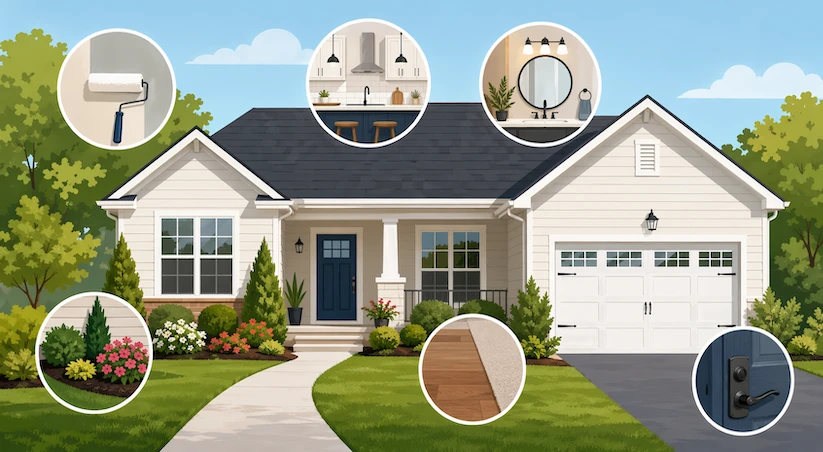
Selling a home quickly often comes down to one thing: making the right improvements before it hits the market. Not every upgrade adds equal value, and not every project helps a house sell faster. The goal is not to fully remodel your property or spend more than you can recover. The goal is to make smart, targeted changes that help buyers say yes sooner.
If you are planning to list your property, knowing the best upgrades for a faster home sale can save time, reduce stress, and improve buyer interest from the start. From better curb appeal to simple interior updates, the right improvements can help your home stand out in a crowded market and leave a stronger impression during showings.
In this guide, we will break down which home upgrades matter most, which ones are worth skipping, and how to focus your budget where it can make the biggest difference.
Why the Right Upgrades Matter Before Selling
When buyers walk into a home, they start forming opinions within seconds. They notice the condition of the walls, the flooring, the lighting, the kitchen, and even the smell of the space. If a home feels clean, updated, and well cared for, buyers are more likely to move quickly.
That does not mean your home needs to look brand new. It simply needs to feel move-in ready. Many buyers are willing to personalize a home later, but they are less excited about obvious repairs, dated finishes, or projects that feel expensive.
Strategic upgrades can help in three important ways:
They improve first impressions
A buyer who feels excited right away is more likely to keep touring the property with a positive mindset. Small visual improvements often have an outsized effect on how the home is perceived.
They reduce buyer objections
The more issues buyers notice, the more hesitant they become. Fixing worn or outdated areas in advance can reduce the back-and-forth during negotiations.
They help your home compete
Even in active markets, buyers compare listings closely. If similar homes look cleaner, brighter, or more updated than yours, they may attract stronger interest.
Start With Curb Appeal
The outside of your home is the first thing buyers see online and in person. If the exterior looks neglected, some buyers will already assume the inside needs work too.
Improving curb appeal does not always require a major investment. In fact, some of the best exterior upgrades are also the most affordable.
Freshen up the front door
A newly painted front door can instantly make the entrance look cleaner and more inviting. Choose a color that fits the style of the home while still feeling polished and updated.
Clean up landscaping
Trim overgrown bushes, mow the lawn, edge the walkway, and remove weeds. Add fresh mulch if needed. A tidy yard signals that the property has been maintained with care.
Update exterior lighting
Old or rusted light fixtures can make a home feel dated. Replacing them with clean, modern fixtures helps create a better first impression.
Pressure wash outdoor surfaces
Driveways, sidewalks, patios, and siding can collect years of dirt and grime. Pressure washing is one of the easiest ways to make a home look brighter and more cared for.
Repaint Walls in Neutral Colors
Few upgrades make a home feel cleaner and more move-in ready than fresh paint. It is one of the most cost-effective improvements you can make before listing.
Bright or highly personalized colors may appeal to your taste, but neutral tones help buyers picture themselves in the space. Soft whites, warm grays, and light beige shades usually work well across different rooms.
Fresh paint helps cover scuffs, marks, and signs of wear that can make a property feel older than it is. It also photographs better, which matters when buyers first see your listing online.
If your budget only allows for one upgrade, repainting is often one of the best places to start.
Upgrade the Kitchen Without a Full Remodel
The kitchen plays a major role in how quickly a home sells. Buyers tend to focus heavily on this space because it is one of the most expensive areas to renovate later.
That said, you do not always need a full kitchen remodel to make a strong impact.
Refinish or paint cabinets
If your cabinets are structurally sound but look outdated, painting or refinishing them can dramatically improve the room without the cost of replacing everything.
Replace cabinet hardware
Swapping old knobs and pulls for updated hardware is a small detail that can make cabinets look more current.
Update lighting fixtures
A dated light fixture can age the whole kitchen. Replacing it with something simple and modern can help the room feel brighter and more appealing.
Consider new countertops if needed
If countertops are badly worn, stained, or visibly outdated, replacing them may be worth the investment. Buyers often notice countertops right away, especially in listing photos.
Refresh appliances if they are noticeably mismatched
You do not need luxury appliances to impress buyers, but old, mismatched, or visibly damaged units can drag down the look of the space.
The key is to avoid over-improving. A moderate kitchen refresh usually makes more sense than a high-end renovation if your goal is a faster sale.
Make Bathrooms Look Clean and Updated
Bathrooms are another high-impact area for buyers. Even small improvements can make a big difference in how fresh and well-maintained the home feels.
Replace outdated fixtures
New faucets, towel bars, showerheads, and mirror lighting can modernize a bathroom quickly without requiring a full remodel.
Re-caulk tubs and sinks
Old caulk with stains or cracks makes bathrooms feel neglected. Fresh caulk creates a cleaner and more finished appearance.
Re-grout tile if needed
Dirty or cracked grout can make the whole bathroom look older. Cleaning or re-grouting tile is often a smart pre-sale fix.
Update mirrors or vanities
If your mirror, vanity, or light fixture feels especially dated, replacing one or two of these elements can elevate the entire room.
Above all, bathrooms should feel bright, clean, and simple. Buyers notice cleanliness here more than almost anywhere else in the home.
Replace Worn Flooring
Flooring has a huge effect on how buyers experience a home. Worn carpet, scratched hardwood, cracked tile, or outdated materials can make a property feel tired even if the layout is strong.
If the flooring is in poor condition, replacing it may help your home sell faster.
Focus on visible wear
You do not always need to replace every floor in the home. Prioritize areas with clear damage, stains, or heavy wear, especially living rooms, entryways, and main bedrooms.
Choose practical, neutral options
Buyers tend to respond well to simple, durable flooring that looks clean and modern. Neutral finishes appeal to a wider range of tastes and help rooms feel more cohesive.
Deep clean when replacement is not necessary
If flooring is still in decent shape, a professional cleaning may be enough. This is especially true for carpet that looks dull but is not heavily damaged.
Improve Lighting Throughout the Home
A dark home can feel smaller, older, and less inviting. Better lighting is one of the easiest ways to improve the overall mood of the space.
Start by opening curtains, cleaning windows, and replacing burnt-out bulbs. Then look at whether fixtures need updating.
Use consistent light temperature
Mixing warm yellow bulbs with cool white bulbs can make a home feel disjointed. Using a consistent light tone throughout creates a cleaner look.
Replace dated fixtures
Old ceiling lights, bathroom fixtures, and dining room lights can date a home quickly. Updated fixtures help modernize the space with relatively little effort.
Add brightness where needed
If a room feels dim, consider adding floor or table lamps during showings. A bright room tends to feel more welcoming and spacious.
Handle Minor Repairs Before Listing
Small problems can create big doubts in a buyer’s mind. A dripping faucet, squeaky door, loose handle, cracked outlet cover, or damaged baseboard may seem minor, but together they can make the home feel less cared for.
Before listing, walk through the property as if you were seeing it for the first time. Make a list of small issues and fix as many as possible.
Buyers are not just evaluating your home’s style. They are also watching for clues about maintenance. Taking care of small repairs can help build trust and reduce the chance that buyers assume bigger hidden issues exist.
Declutter and Depersonalize the Space
This is not exactly an upgrade in the traditional sense, but it can be one of the most effective ways to speed up a home sale.
A cluttered home feels smaller. A highly personalized home makes it harder for buyers to imagine themselves living there. Before listing, remove excess furniture, clear countertops, organize closets, and pack away personal items like family photos and highly specific decor.
This process works especially well alongside smart home staging, which can help showcase the home’s best features and make each room feel more functional.
Decluttering also improves listing photos, which is critical in attracting early interest online.
Boost Buyer Confidence With a Pre-Sale Deep Clean
A deep clean may not sound exciting, but it is one of the highest-return steps you can take before putting a home on the market.
Buyers notice dust, stains, odors, dirty baseboards, smudged windows, and neglected corners more than sellers often realize. A spotless home feels newer, more valuable, and better maintained.
Pay close attention to kitchens, bathrooms, floors, ceiling fans, windows, and entryways. If the home has pets, smoke exposure, or lingering odors, it may be worth bringing in professionals.
Cleanliness affects emotional response. Buyers are more likely to act quickly when a home feels fresh and easy to move into.
Know Which Upgrades to Skip
While certain updates can help a house sell faster, others may not deliver a good return. It is easy to overspend before listing, especially if you start making improvements based on personal taste instead of buyer expectations.
Here are a few upgrades sellers should think carefully about:
Major luxury remodels
High-end custom renovations do not always pay off, especially if they push your home beyond neighborhood expectations.
Highly specific design choices
Bold tile, unusual wallpaper, bright paint colors, and niche finishes can limit buyer appeal instead of expanding it.
Room conversions that reduce flexibility
Turning a bedroom into a gym, theater, or highly specialized space can make it harder for buyers to see the home’s full functionality.
Projects with long timelines
If your main goal is speed, avoid upgrades that delay listing for weeks or months unless they solve a major issue.
The best pre-sale improvements are the ones that help the home feel cleaner, brighter, and easier to say yes to.
Consider Your Market Before Spending
Not every home sale requires the same prep strategy. The condition of your local market should influence how much you invest before listing.
If homes in your area are moving quickly, you may only need cosmetic updates and strong presentation. If buyers have more choices, the home may need additional work to compete.
Pricing strategy matters too. Sometimes it makes more sense to sell quickly with minimal updates, especially if you need to move fast. If that is your situation, learning more about selling homes quickly can help you weigh your options and choose the best path.
The right approach depends on your timeline, your property condition, and how much effort you want to put in before selling.
Do Not Forget the Financial Side of Selling
Before making upgrades, it is smart to understand the financial picture behind your sale. Improvement costs, closing costs, and potential tax obligations can all affect your final proceeds.
Some upgrades are worth doing because they improve speed and presentation. Others may not make sense once you look at the actual numbers. Reviewing the costs involved in advance can help you make more confident decisions.
If you are selling in Florida, it is worth understanding Florida home taxes so you can plan ahead and avoid surprises at closing.
A faster sale is important, but keeping more of your profit matters too.
The Best Upgrades Usually Are Not the Biggest
Many sellers assume they need a full renovation to attract buyers. In reality, the most effective upgrades are often the simplest ones.
Fresh paint, updated lighting, improved curb appeal, cleaner bathrooms, better flooring, and a decluttered layout can all help create a stronger first impression. These are the kinds of improvements that make a house feel ready, cared for, and easier to buy.
Before spending money, ask yourself a simple question: will this help buyers feel more confident about the home? If the answer is yes, it may be worth doing. If not, it may be better to keep the change simple and focus on presentation.
Final Thoughts
The best upgrades for a faster home sale are the ones that improve appeal without draining your budget. Buyers want homes that feel clean, functional, and move-in ready. You do not need to chase perfection. You need to remove distractions, fix obvious issues, and highlight the property’s strengths.
If you are trying to decide which improvements make sense before listing, a direct conversation can help you avoid wasted time and unnecessary expense. The best next step may be to schedule your call and get clarity on how to move forward based on your property, timeline, and goals.